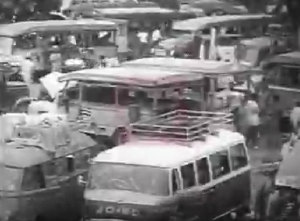
Ghana’s public transport system has evolved significantly over the years, from wooden-bodied buses that carried passengers along rough roads to modern minibuses and large coaches used for commercial transport today.
In the early years after independence, mammy wagons played an important role in transporting people and goods between communities.
These vehicles were often built with wooden bodies fitted onto truck chassis and were used by traders, farmers and other passengers travelling to markets and towns.
Cocoa notes compete with T-bills for investors’ money - Report
The buses helped connect communities at a time when access to transport was limited in many parts of the country.
They also supported trade by making it easier for farmers to transport their produce to markets and for traders to move goods between towns.
Over time, however, Ghana’s transport system began to change as newer vehicles entered the market. Minibuses, taxis and larger passenger buses became more common, while commercial operators continued to provide services on both short- and long-distance routes.
Road transport has remained central to the movement of passengers and goods in Ghana since independence, supporting economic activities and connecting communities across the country.
Today, vehicles such as Toyota Hiace minibuses are widely used for commercial passenger services, including trotro operations. Larger buses also serve intercity routes, while newer vehicles offer features such as air conditioning, improved seating and other conveniences that were less common in the old wooden-bodied buses.
However, purchasing a commercial bus today requires a significant investment. Prices vary depending on the make, model, age and condition of the vehicle.
A market report published in April 2026 put the price of older, locally used Toyota Hiace buses at approximately GH¢75,000 to GH¢200,000. Some newer, locally used models could cost between GH¢250,000 and GH¢300,000.
The contrast between the old mammy wagons and today’s commercial buses reflects how Ghana’s transport sector has adapted to changing passenger needs and advances in vehicle technology.
Although the vehicles have changed over the decades, commercial road transport continues to play a major role in helping people travel, supporting businesses and connecting communities across the country.
Watch the video below
Footage of Ghana’s transportation system at a lorry station in the early 1960s, capturing buses and wooden-bodied mammy wagons, popularly known as “Aro Glass” lorries because they had no glass windows. https://t.co/thI4Wqj2hc
— GHANA FACTS & HISTORY (@GhanaianMuseum) October 20, 2026
ANAS/MA
“No Agent Can Take 10% From Tenants” - Rent Commissioner Warns Agents