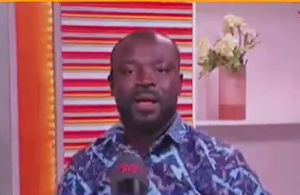
The Technical Advisor at the Ministry of Finance, Dr Theo Acheampong, has said Ghana’s efforts to improve tax collection, control public spending and meet its financial obligations are helping to restore investor confidence and strengthen the country’s ability to service its debt.
He said Ghana had made significant progress in about 18 months following the economic crisis between 2022 and 2024, with public financial management reforms helping to support the recovery.
Africa cannot escape poverty with a generation of job seekers – Sir Sam Jonah
Dr Acheampong made the remarks in an interview with Joy News on Thursday, October 15, 2026, stressing that the country’s progress was not driven by rising commodity prices alone.
“As we've always said, typically if you've gone through the crisis that Ghana has gone through, 2022 to 24, it will take you at least about five years to be able to reset right the fundamentals and the basics, and we've been able to do that in a year and a half,” he said.
He attributed the progress partly to policy changes aimed at strengthening the economy and sustaining improvements in the country’s financial position.
“And it really rests on a number of things, and it's not just a commodity story. It's not just the gold story. It's really the hard reforms that have been done to try and sustain right those gains,” he said.
Dr Acheampong disclosed that Ghana’s tax-to-GDP ratio had increased from 11.5% to nearly 13%, indicating an improvement in the government’s ability to mobilise domestic revenue to finance public expenditure.
He also pointed to tighter controls on government spending commitments and efforts to clear inherited arrears as measures helping to improve public financial management.
According to him, more regular transfers to the District Assemblies Common Fund and the National Health Insurance Fund reflect a change in how the government is meeting its statutory financial obligations.
“For the first time, we remain current on these funds,” he said.
Dr Acheampong explained that transfers covering the period from January to August or September had been made, contrasting this with previous years when payments due in January could be delayed until September.
He said sustaining investor confidence would require the government to maintain strong revenue collection, exercise discipline in public spending and meet its financial obligations rather than rely mainly on favourable commodity prices.
He added that the reforms would be important in ensuring Ghana’s economic recovery translates into a more stable fiscal position and a stronger capacity to manage its debt.
ANAS/MA
How a Visit to GHACEM Inspired Ibrahim Mahama to Build Dzata Cement
Business News of Friday, 16 October 2026
Source: www.ghanaweb.com
Ghana's recovery goes beyond gold prices – Dr Theo Acheampong
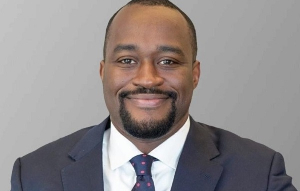 Dr Theo Acheampong is the Technical Advisor at the Ministry of Finance