Motorists could pay less for petrol and diesel from Friday, October 16, 2026, but consumers who use liquefied petroleum gas (LPG) for cooking are expected to face an 18.5% price increase.
The Chamber of Oil Marketing Companies (COMAC) projects that petrol prices will fall by nearly 2% to GH¢17.67 per litre, while diesel prices are expected to decline by 3.32% to GH¢19.30 per litre in the next pricing window.
However, LPG prices are projected to rise to GH¢20.60 per kilogram, increasing the cost of refilling cooking gas cylinders.
The expected reductions in petrol and diesel prices follow declines in their international market prices.
Sammy Gyamfi explains how GoldBod spent GH¢28.3 million in 2025
According to COMAC, international petrol prices fell by 3.93%, while diesel prices declined by 6.68%. LPG prices, however, moved in the opposite direction, increasing by 7.77%.
The depreciation of the cedi has also increased the cost of importing petroleum products. COMAC said the currency weakened by 1.61%, averaging GH¢11.8222 to the US dollar between September 26 and October 11.
Meanwhile, the National Petroleum Authority (NPA) has reduced the minimum prices for petrol and diesel for the October 16 pricing window.
The minimum price for petrol has been lowered from GH¢16.45 to GH¢16.09 per litre, while that for diesel has dropped from GH¢17.97 to GH¢17.09 per litre.
In contrast, the minimum price for LPG has increased from GH¢11.10 to GH¢13.87 per kilogram.
EXPLAINER: How an unpaid GH¢10 loan could stop you from securing a GH¢200 loan
These price floors serve as minimum pricing benchmarks and exclude certain supplier charges and the margins added by distributors and oil marketing companies.
The final prices consumers pay will depend on the rates individual oil marketing companies announce for the new pricing window.
DR/MA
Inside Ghana’s Abandoned Engineering Powerhouse: What Went Wrong?
Business News of Wednesday, 14 October 2026
Source: www.ghanaweb.com
Fuel Prices: Petrol, diesel set to fall as cooking gas rises 18.5%
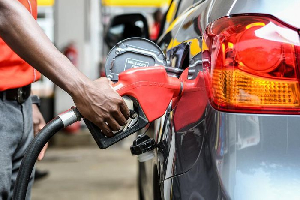 File photo of a fuel pump