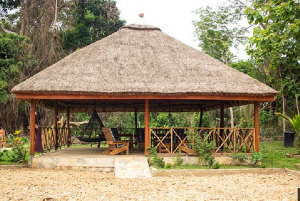
A summer hut selling for GH¢18,000 at a China Mall in Sunyani has sparked social media reactions after a video showing the hut and its price surfaced online.
It has sparked debate on social media, with one user questioning the high charges and delays of local carpenters compared with buying ready-made products.
The video, which has been circulating on X and was sighted by Ghanaweb Business on Monday, October 12, 2026, shows the outdoor structure on display at the mall, leaving shoppers stunned by its price.
Gov't resolves financial hurdles for Kejetia Phase two and three - Local govt minister reveals
The incident has drawn reactions from Ghanaians on X, with some questioning why an ordinary summer hut should cost GH¢18,000 when local artisans could build similar structures.
However, the discussion has also turned attention to complaints from some homeowners about the cost of hiring carpenters and the time it takes to complete projects such as summer huts in residential homes.
One social media user said he needed a summer hut but was surprised by the price of an imported structure, while also raising concerns about the cost of building one locally.
“It’s crazy that we’re importing basic summer huts when local artisans could easily construct this. I actually need one, but GH¢18,000 for an imported summer hut is wild,” the user wrote.
Another user questioned whether any Ghanaian would be willing to pay such an amount for the structure, asking: “Why will a sane-minded Ghanaian buy this?”
The reactions reflect a wider debate over whether imported products offer better value than locally made alternatives, particularly when consumers worry about workmanship, pricing, and delays in completing construction projects.
While some have questioned the price of the summer hut at the Sunyani mall, others see the incident as an opportunity to discuss how local carpenters and artisans can improve their services and remain competitive in the market.
The debate also raises questions about the value of local craftsmanship, with calls for more attention to the quality, cost, and timely delivery of artisans' work as consumers weigh their options.
A man was left stunned after spotting a summer hut selling for GH¢18,000 at a China mall in Sunyani. https://t.co/hmyYGCBUa1
— 𝐀𝐒𝐊 (@askghmedia) October 11, 2026
ANAS