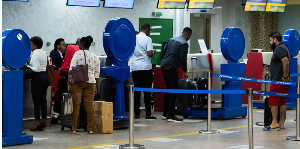
Ghana received about $7.8 billion in formal remittances from citizens living abroad in 2025, making diaspora transfers one of the country’s major sources of foreign exchange.
The money, sent by Ghanaians abroad to support families and businesses at home, has become an important source of income for many households and a key contributor to the country’s economy.
Data presented at the Ghana-UK Investment Summit show that formal remittance inflows increased from about $6.65 billion in 2024 to $7.79 billion in 2025.
Kofi Amoabeng reveals Ghana's unspoken business rules
When informal transfers, including cash brought into the country by returning relatives and visitors, are included, the total contribution is estimated to exceed $11 billion.
Ghana is the second-largest recipient of remittances in Sub-Saharan Africa, after Nigeria.
The United States is the largest source of remittances to Ghana, followed by the United Kingdom, other European countries and African countries such as Nigeria and Côte d’Ivoire.
But where does all this money go, how does it support the economy, and what is the government doing to encourage greater investment from the diaspora?
Where does the money go?
Most remittances are used to support households, while some are invested in property, small businesses and other assets.
1. Household spending
An estimated 70% to 80% of remittances are used to meet the daily needs of families.
The money helps recipients pay for food, electricity, water bills and other household expenses.
Many families also depend on remittances to pay hospital bills, buy medicines and cover emergency healthcare costs.
Education is another major area of spending, with parents and relatives abroad helping to pay school fees, university fees and the cost of learning materials for children and other dependants.
2. Real estate and construction
Property is another major area where remittances are invested.
Many Ghanaians living abroad send money to buy land, build houses or complete unfinished buildings.
Some also use the funds to develop rental properties and small commercial buildings to generate income.
These investments help families build assets and provide potential sources of income in the future.
3. Small businesses and other investments
Ghanaians abroad also provide money to relatives to start businesses such as retail shops, transport services and small-scale farming.
Such funds can help relatives earn a living and reduce their dependence on money sent from abroad.
How do remittances support Ghana’s economy?
Beyond helping individual households, remittances also contribute to the country’s foreign exchange supply and economic stability.
1. Support for foreign exchange supply
Money sent from abroad brings foreign currencies such as US dollars, British pounds and euros into Ghana’s financial system.
These inflows increase the supply of foreign currency available through banks and other formal financial channels.
2. Support for the cedi
Regular inflows of dollars and other foreign currencies can help ease some pressure on the exchange rate, although the cedi is also influenced by several other economic factors.
3. Financing imports
Foreign exchange from remittances can also support the country’s ability to pay for imported goods.
These include fuel, machinery and other essential products needed by households and businesses.
Why does the government want more remittances invested?
Despite the large amount of money entering the country, much of it is used for immediate household needs rather than long-term investment.
However, the Bank of Ghana and the Ministry of Finance are exploring ways to encourage Ghanaians abroad to invest more of their money in productive sectors of the economy.
The aim is to channel a larger share of diaspora funds into investments that can support businesses, infrastructure and national development.
What does this mean for Ghana?
At the national level, remittance inflows increase the supply of foreign exchange and help support the economy’s ability to pay for imports.
However, the extent to which remittances can contribute to long-term development will depend on how much of the money is channelled into productive investments.
ANAS/MA
Foundries, Machines and Jet Engines: Ghana’s untapped engineering potential
Business News of Monday, 28 September 2026
Source: www.ghanaweb.com
EXPLAINER: How Ghana's $7.8bn diaspora remittances support households and the economy
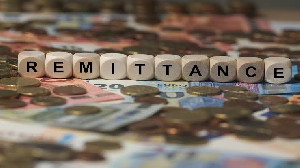 Ghana received about $7.8 billion in formal remittances from citizens living abroad in 2025