The Ghana cedi has lost 9.5% of its value against the US dollar in the first nine months of 2026, reversing much of the strong performance recorded by the currency last year.
The latest Bank of Ghana data show the cedi trading at about GH¢11.55 to US$1 in September 2026, compared with GH¢10.45 at the end of December 2025.
The currency has also weakened against the pound and euro, recording year-to-date depreciations of 9.0% and 7.3%, respectively, as of September.
BoG faces rate decision as oil prices rise and cedi weakens
This marks a sharp change from 2025, when the cedi recorded strong gains against major international currencies. The latest figures show that the currency has come under renewed pressure this year.
The cedi’s performance has also fluctuated during the year. Its depreciation against the dollar reached about 10.6% in July before improving to 7.1% in August. It has since weakened again to 9.5% in September.
The World Bank has linked the renewed pressure partly to increased demand for foreign exchange from the energy sector and dividend payments by some private companies.
In its latest assessment, the World Bank stated that the cedi had “depreciated by 8.1 percent in the year to June 2026”, after appreciating by about 29% against the US dollar between January and December 2025.
The Bank also noted that the depreciation was driven largely by increased demand for foreign exchange from the energy sector and dividend payments by some private corporations, despite continued foreign exchange inflows from Ghana’s trade surplus.
The Bank of Ghana, however, maintained that the recent movements are part of exchange-rate fluctuations under Ghana’s flexible, market-determined system.
The central bank has also introduced a new Foreign Exchange Operations Framework to guide its operations in the market.
For businesses, the renewed weakness of the cedi could affect the cost of imported goods, foreign currency payments and other transactions linked to the dollar, pound and euro.
The September figures therefore show a clear change from the strong cedi gains recorded in 2025, as foreign exchange demand continues to put pressure on the local currency in 2026.
ANAS/MA
Foundries, Machines and Jet Engines: Ghana’s untapped engineering potential
Business News of Thursday, 24 September 2026
Source: www.ghanaweb.com
Cedi loses nearly 10% of value in nine months – Report
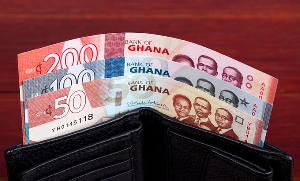 A file photo of cedi notes