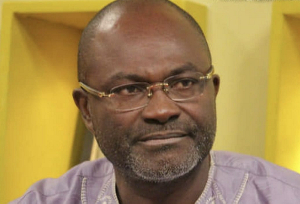
The Governor of the Bank of Ghana, Dr Johnson Pandit Asiama, has noted that Ghana’s banking sector has recorded significant improvements, with stronger bank balance sheets, improved solvency and a sharp increase in private sector credit.
Speaking to CEOs of banks duing a meeting in Accra on Sunday August 16, 2026, Asiama said total banking sector assets increased by 30.7 per cent in June 2026, mainly supported by growth in deposits and shareholders’ funds.
“Banks' solvency has also improved significantly, with the Capital Adequacy Ratio increasing to 20.4 per cent in June 2026 from 10.6 per cent a year earlier,” he said.
ECOWAS engages border communities on Free Movement protocol
He added that asset quality had also strengthened, with the Non-Performing Loan ratio declining from 23.1 per cent to 16.1 per cent over the same period.
“These developments reflect the collective efforts undertaken by the institutions represented here today,” Dr Asiama stated.
The Governor also noted that financial conditions had eased significantly, with interest rates continuing to moderate across various segments of the money market.
According to him, the easing conditions are beginning to translate into stronger credit flows to the private sector.
“Private sector credit grew by 41.2 percent in June 2026, compared with 8.6 percent a year earlier, while real private sector credit growth stood at 34.1 percent,” he said.
“This is a significant development,” Dr Asiama added.
However on the fiscal side, he said continued discipline was providing an important anchor for macroeconomic stability.
“Fiscal performance in the first quarter of 2026 broadly reflected strong expenditure restraint, notwithstanding revenue shortfalls, resulting in better-than-targeted balances on a cash basis,” he explained.
Dr Asiama stressed that sustaining the gains would require continued commitment to fiscal discipline.
“The continued commitment to expenditure restraint, revenue mobilisation, prudent debt management, and fiscal discipline will be critical to preserving debt sustainability, strengthening investor confidence, and reducing fiscal risks to the macroeconomic outlook,” he said.
The Governor’s comments come against the backdrop of the government’s determination to make Ghana’s current IMF programme its last.
Finance Minister Dr Cassiel Ato Forson has said the government is focused on restoring fiscal discipline and building an economy capable of standing on its own.
“Seventeen IMF Bailout Programmes are enough. We are restoring discipline, rebuilding resilience and creating an economy that can stand on its own. The seventeenth Bailout must be Ghana’s last,” Dr Forson said.
ANAS/SA
BizTech: Ghana’s STEM revolution and building the workforce of tomorrow
Business News of Monday, 17 August 2026
Source: www.ghanaweb.com
Banking sector strengthens as private sector credit surges - BoG Governor
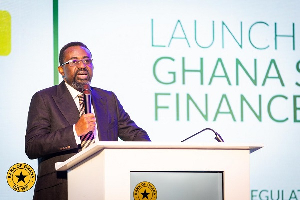 Dr Johnson Pandit Asiama is the Governor of the Bank of Ghana