Ghana’s cedi has become the worst-performing currency in West Africa and one of the weakest currencies in Africa following its continued depreciation against the US dollar in 2026.
According to analyses published by Reuters using data from the London Stock Exchange Group (LSEG), the cedi recorded a year-to-date decline of 10.28% as of early May 2026.
At the time of the report, the currency was trading at 11.36 cedis to the dollar, with Reuters predicting a further decline due to sustained foreign exchange demand, particularly from the energy sector.
“Ghana's cedi is being dragged down by persistent corporate foreign currency demand, particularly from the energy sector,” the Reuters report stated.
The cedi continued to weaken after the report and closed trading last week at about 11.61 to the dollar.
The cedi is among nine currencies used in West Africa, including the CFA franc, which is used by eight countries in the region.
Among West African currencies, the cedi has recorded the highest year-to-date depreciation in 2026. Its performance also places it among the continent’s weakest currencies this year, alongside currencies such as the Libyan dinar.
The continued depreciation comes despite recent positive economic indicators, including a decline in inflation.
However, the weakening cedi has continued to affect the prices of goods and services, as traders and importers source foreign exchange at rates higher than official market figures.
Reuters attributed the continued pressure on the currency to strong foreign exchange demand from importers and businesses.
“The cedi is on a depreciating path due to persistent FX demand, with traders expecting the trend to continue,” the report concluded.
Business News of Sunday, 24 May 2026
Source: classfmonline.com
Cedi ranked worst-performing currency in West Africa amid continued decline
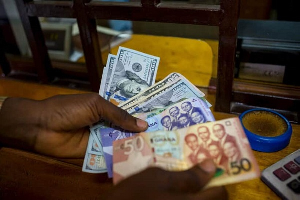 File photo of a person counting cedi and dollar notes