The Food and Agriculture Organisation (FAO) has warned that global food prices reached their highest level since September 2025 in March this year and could rise further if the war in the Middle East continues to push up energy costs.
According to the Organisation's Chief Economist, Máximo Torero, if the conflict lasts more than 40 days and input costs remain high, farmers may reduce fertiliser use, cut cultivated areas, or switch to crops that are less dependent on fertilisers.
“These choices will affect future harvests and determine our food supply and commodity prices for the rest of this year and all of next year,” the FAO said.
There is no imminent fuel shortage - President Mahama assures Ghanaians
The Organisation, however, noted that price increases since the start of the conflict have been moderate, largely driven by rising oil prices, while ample global grain supplies have helped mitigate the impact.
The FAO Food Price Index, which tracks a basket of globally traded food commodities, rose by 2.4 percent in March compared to February. It is one percent higher than a year ago but remains about 20 percent below its peak in March 2022, following the Russian invasion of Ukraine.
For Ghana, the FAO’s warning has direct implications as higher global food and energy costs could push up prices of staples like maize, rice, and wheat, increasing the cost of living for households.
Additionally, farmers may also face higher input costs, affecting local food production and supply.
If the conflict persists, Ghana could face further inflationary pressures as fuel and food prices continue to rise.
For now, the government has signaled its readiness to implement interventions to stabilise markets and protect vulnerable consumers.
MA
Business News of Monday, 6 April 2026
Source: www.ghanaweb.com
Middle East conflict threatens global food security - FAO warns
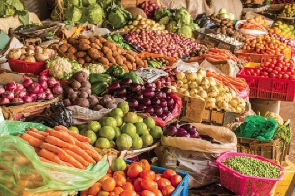 File photo of foodstuff