The continent’s worsening water crisis is not simply a result of climate change or infrastructure gaps, but a symptom of a global financial system that prioritises debt repayment over human survival, the African Forum and Network on Debt and Development (AFRODAD) has said.
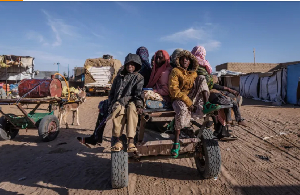
Presently, it is estimated that over 400 million people in sub-Saharan Africa lack access to basic drinking water, a situation expected to worsen as urban populations swell and climate shocks intensify.
AFRODAD said Africa’s water crisis is not only a result of climate change or infrastructure gaps.
It reflects a global financial system that limits investment in life-sustaining public services, leaving governments with little fiscal space to fund water infrastructure.
The African Union (AU) convened its 39th Ordinary Session of the Assembly in Addis Ababa under the theme ‘Assuring Sustainable Water Availability and Safe Sanitation Systems to Achieve the Goals of Agenda 2063’.
The session comes at a decisive moment as the continent grapples with worsening water shortages.
The group called on African leaders and international partners to reform the global financial architecture, expand concessional financing and protect water and sanitation budgets.
“Debt justice is inseparable from water justice,” AFRODAD said, emphasising the need to prioritise people over debt repayments.
In its statement, AFRODAD stressed that water underpins all aspects of Africa’s development.
It is central to food security, public health, climate resilience and economic productivity.
The current shortfall limits investment in irrigation systems, dams, sanitation facilities and climate-resilient water infrastructure needed to support agriculture, urban growth and industrial development.”
Closing this gap, they noted, requires predictable, affordable and long-term public financing, not short-term, high-cost borrowing that deepens debt vulnerabilities stemming from a global financial system that was not tailored to meet the development needs of African countries.
Champion UN framework convention on sovereign debt - AFRODAD to African leaders.
AFRODAD therefore argued that the continent’s water crisis cannot be separated from its deepening debt crisis.
“The existing global financial architecture continues to entrench structural inequities that keep African countries trapped in high cost cycles of borrowing and austerity.
“Although Africa accounts for just 1.9 percent of global public debt, it pays far more than any other region in debt servicing costs. African governments now spend an average of 18.7 of public revenue on debt repayments, with external debt payments projected to reach US$90billion in 2026.
“Public debt across the continent has risen to approximately US$2.1trillion, currently exceeding 60 percent of GDP, with 21 African countries already in or at high risk of debt distress. Every dollar diverted to debt servicing is a dollar unavailable for water pipes, sanitation systems, irrigation schemes and climate adaptation infrastructure.”
AFRODAD noted that these concerns align with African and global policy commitments.
Civil society, through the Harare Declaration and African Borrowing Charter, has long called for responsible borrowing, transparent debt management and development-centred financing that prioritises public goods.
“At the continental level, the African Union’s Lomé Declaration on Debt articulates a Common African Position demanding comprehensive reform of the global financial architecture, including enhanced access to affordable financing and the establishment of a United Nations Framework Convention on Sovereign Debt to deliver fair, transparent and timely debt resolution,” AFRODAD said.
Strategic Campaigner-African Futures Lab Lavender Namdiero said: “Africa must move beyond symbolic apologies and transform how money flows, risks are shared and resources are governed to achieve reparative justice and water resilience”.
Reparations are about who controls resources today and whose future is prioritised. Governments must lead, civil society must mobilise and citizens must demand accountability, she added.
A Senior Researcher, African Center for Economic Transformation (ACET), Frank Adu, also asserted: “Africa’s debt crisis reflects a global system designed to shift risk onto vulnerable nations while concentrating wealth elsewhere”.
Addressing the water crisis, he said, requires confronting this imbalance and demanding systemic reform, not temporary relief.
For the Interim Executive Director of AFRODAD, Dr Theophilus Yungong, debt justice is inseparable from water justice because every repayment made under unjust terms deepens inequity and vulnerability.
“Reparations must therefore repair systems of extraction by expanding fiscal space and restoring Africa’s power to invest in life-sustaining public goods,” he said.
AFRODAD also called on African Heads of State, Finance Ministers, development partners and multiIlateral institutions to, among others, champion a UN Framework Convention on Sovereign Debt and expand concessional and grant-based financing for water and climate adaptation.
Business News of Wednesday, 18 February 2026
Source: thebftonline.com
Africa's water crisis exposes cost of debt-driven global financial system - AFRODAD
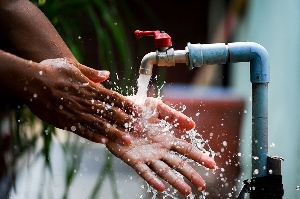 Over 400 million people in sub-Saharan Africa lack access to basic drinking water