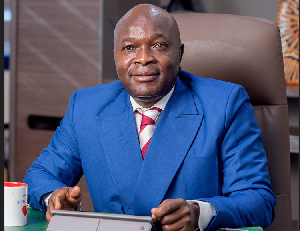
Ghana, is sharpening its pitch to attract small, impact-focused investors to the Small and Medium Enterprises (SME) sector, as the Ghana Investment Promotion Centre (GIPC) champions pro-investor reforms and digital innovations to match investors with high-potential opportunities.
Speaking at a high-level panel during the Africa Prosperity Dialogues (2026), GIPC Deputy CEO, Abdul-Razak Baba, said Ghana is now positioning itself as a magnet for patient capital and a launchpad for SMEs looking to scale under the African Continental Free Trade Area (AfCFTA).
Themed “Empowering SMEs, Women & Youth in Africa’s Single Market: Innovate. Collaborate. Trade,” the session brought together top voices in investment, policy, and entrepreneurship to address Africa’s $331 billion SME financing gap and develop actionable plans for driving economic integration and wealth creation across the African continent.
Moderated by Brenda Wagura, an International Trade and Investment Legal Advisor, other panel members include Faith Chelangat, AfCFTA Specialist from Anjarwalla & Khanna Advocates; Dr Jasper Ebiekure Eradiri, CEO of the Association of African SMEs; Sulley Amin Abubakar, CEO of Zaacoal; Boatemaa D Barfour-Awuah, CEO of Star Assurance Ghana; and Dr Wanida Lewis, the Managing Director and Founder of Crescendo Foods.
Baba emphasised that Ghana’s existing investment law, originally designed to attract large-ticket FDI, has unintentionally excluded smaller, impact-oriented investors.
“These laws were well-intentioned,” he noted, “but minimum foreign capital thresholds have closed Ghana’s doors to smaller-scale investors who want to back our SMEs.”
He announced that GIPC is championing major reforms to the GIPC Act to eliminate these minimum foreign capital requirements, making it easier for diaspora investors, impact funds, and venture capital to invest in Ghanaian SMEs.
“When these reforms pass, they will signal that Ghana is open for inclusive, SME-focused investment. We expect a wave of patient, impact-oriented capital to flow into Ghana,” Baba said.
While funding remains scarce, Baba observed that “many investors are also complaining that they cannot find bankable deals.”
He, therefore, underscored the urgent need for a harmonised African digital investment facilitation platform that will showcase opportunities across the continent and provide end-to-end matchmaking and advisory support for SMEs and investors alike.
To this end, he said Ghana is taking the lead in developing the InvestGhana Portal, GIPC’s new digital investment facilitation platform that will be built on the Centre’s ongoing Investment Opportunity Mapping Project (IOMP).
The most exciting feature for this portal, he said, will be a Marketplace for Service Providers; a curated listing of Ghanaian transaction advisors, legal experts, tax consultants, and accountants who are critical to turning investor interest into executable deals.
“This is what we call full-cycle facilitation,” he explained. “It’s not enough to show the opportunity. We must also connect investors to the right Ghanaian professionals who can structure, de-risk, and close those deals.”
Ghana International Investment Summit: The Flagship Matchmaking Forum
In response to a question on GIPC’s matchmaking efforts, Baba took the opportunity to invite stakeholders to the upcoming Ghana International Investment Summit (GIIS), the Centre’s flagship investor matchmaking event slated for later this year.
“This will be Ghana’s premier platform for investors to meet real SME opportunities, not just in Accra, but from across all 16 regions,” he said.
Concluding his remarks, Baba noted that with policy reforms, digital platforms, and the summit underway, Ghana is setting a new benchmark for SME investment facilitation in Africa.
“AfCFTA provides the market. Ghana provides the launchpad. These reforms give us the tools. The next frontier is connecting the right capital to the right entrepreneurs. Ghana is ready to lead that charge.”
Business News of Wednesday, 11 February 2026
Source: Ghana Investment Promotion Centre
GIPC champions bold reforms to attract small and impact investors
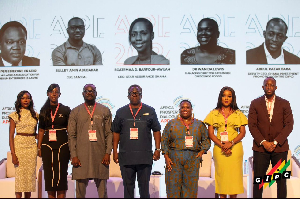 Abdul-Razak Baba, GIPC Deputy CEO (R) with other speakers at the event