The government is considering halting the closed season policy for artisanal fishers this year to alleviate the plight of the fisherfolk.
Speaking at the launch of the “Creating Synergy Between Indigenous Practices and Scientific Knowledge (ISIPSK)” research project report, in Accra, the Minister of Fisheries and Aquaculture, Emelia Arthur, said environmental sustainability could not be achieved without social equity.
“We may this year maintain no closure, but with a very stern warning and strict enforcement of marine conservation management and practices,” she stated.
Fish constitutes about sixty per cent of the Ghanaian’s animal protein intake, and it is estimated that the annual per capita consumption is 25 kilogrammes per person per year, higher than the African and global estimates of 10.5 kilogrammes and 18.9 kilogrammes, respectively.
She said the sector contributes between 2.6 to five per cent of the agricultural Gross Domestic Product (GDP), generating an annual foreign exchange of over US$1 billion.
“Fisheries policies must protect marine ecosystems while remaining fair, inclusive and responsive to the realities of coastal livelihoods,” she noted.
The closed season policy was first introduced for the industrial trawl sector in 2016 and extended to the artisanal fleet in 2019 after strong opposition from fishers due to the date.
Drawing experiences from global practices to address the depleting fisheries, among other actions, Ghana adopted the closed season to ensure sustainability by temporarily prohibiting the harvest of the species during vulnerable periods, such as spawning or migration.
A study conducted by a research team from the University of St Andrews, Scotland, lead implementers of the ISIPSK project, also known as the ‘Sankofa Project’, reveals Ghana’s closed fishing season policy is imposing greater hardship on coastal fishers than the intended benefits the measure seeks to achieve.
The development has negatively affected the fishers’ livelihoods, increasing household pressures, particularly on women, and contributing to stress, low school attendance, and a rise in social vices within fishing communities, the study quoted.
Presenting key findings from engagements with 833 fisherfolk in eight major fishing communities (15 landing beaches) across the four coastal regions during the closed season in July 2024, the research project report stated that some 90 per cent of the fisherfolk surveyed reported that the quantity of fish landed in the past decade had reduced.
It added that the fishermen believed the closed season was counterproductive because the one-month break compelled them to disregard the traditional fishing holidays to intensify their efforts, for which they employ illegal methods to guarantee a catch.
“We are forced to go fishing even when the sea is rough to prepare for the closed season. After July, we need to catch more fish to pay for our debts,” the report cited a response to one of the questionnaires presented to the crew fisher in the Central Region, a key fishing enclave.
She further recognised the importance of reinforcing traditional governance systems within fishing communities, including conservation-related customs and practices, she said.
“We are engaging the district assemblies to work closely with the chief fishermen to come out with bylaws, local governance laws in protecting, managing, enforcing and giving you back your card as chief fishermen that you had,” she assured.
The minister said the evidence generated by the Sankofa Project provided a strong foundation for balanced policy making.
Dr Ifesinachi Okafor-Yarwood, lead researcher from the University of St Andrews, said the study was led by the School of Geography and Sustainable Development, with support from Josephine Laryea Asare as part of her PhD research.
It is being implemented in collaboration with the Fisheries Commission, Fisheries Committee for the West and Central Gulf of Guinea, and the Canoe and Fishing Gear Owners Association of Ghana.
Funded by the PEW Fellows Programme in Marine Conservation at the PEW Charitable Trusts, the ISIPSK project (Sankofa Project) seeks to advance knowledge on the perceived gendered socio-economic impacts of implementing the closed season.
It also aims at exploring the integration of historical indigenous practices beneficial for conservation with scientific knowledge, while contributing to an effective sub-regional fisheries conservation and sustainable livelihood plan.
The research identifies that while the closed season has the benefit of giving fishers time to rest, it halts income from their primary livelihoods, resulting in adverse socio-economic impacts with a rippling effect on their households.
It recommends that based on the fisherfolk’s ecological knowledge, the closed season should be implemented (if at all) to align with the natural closure in May/June, which has historically been observed by the fishing community.
“It was clear that the practice of observing breaks from fishing was not new to the fisherfolk. In all four coastal regions, fishers voluntarily took breaks from fishing in May and June due to what they described as natural closed season resulting from stormy weather at sea.” Dr Okafor-Yarwood added.
She urged the Government to introduce livelihood support programmes to provide welfare for fisherfolk 65 years and above, particularly during the closed season.
Understanding Ghana's stock market and how to invest | BizTech
Business News of Thursday, 5 February 2026
Source: GNA
Government to halt closed fishing season policy
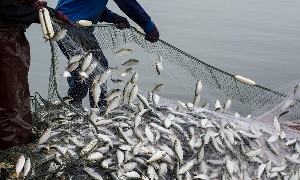 Fish constitutes about 60% of Ghana's animal protein intake