Micro and small-scale exporters are critical to Ghana’s long-term success under the African Continental Free Trade Area (AfCFTA), Louis Yaw Afful, an International Trade Consultant, has said.
Afful noted that many Ghanaian micro-exporters, particularly in agro-processing, cosmetics, and light manufacturing, were eager to trade across borders but lacked adequate knowledge of AfCFTA procedures.
He stressed that limited understanding of rules of origin, certification processes, and customs requirements had prevented many small businesses from fully benefiting from preferential trade.
Speaking at a media forum powered by the Ghana Ports and Harbours Authority (GPHA), he urged state institutions and the AfCFTA Secretariat to intensify education and capacity-building programmes targeted at micro-exporters.
He said empowering small exporters would significantly increase Ghana’s export volumes and reduce its reliance on AfCFTA imports.
Touching on non-tariff barriers, he said these continue to impede smooth trade under the AfCFTA, particularly at border posts and customs clearance points.
GPHA staff held over stolen tugboat, granted GH¢500,000 bail.
Afful explained that although tariffs were being progressively reduced, challenges such as inconsistent standards, delays in customs clearance, and limited awareness of AfCFTA procedures persisted across member states.
He cited cases where traders participating in AfCFTA trade fairs faced delays of up to two weeks in clearing exhibition goods, rendering the exercise ineffective.
He said agriculture-based products were most affected, as differences in standards and inspection regimes were sometimes used as disguised trade barriers.
The consultant called for greater harmonisation of customs procedures, improved information sharing, and stronger enforcement of AfCFTA dispute resolution mechanisms.
Understanding Ghana's stock market and how to invest | BizTech
Business News of Monday, 2 February 2026
Source: GNA
Micro-exporters crucial to Ghana’s AfCFTA growth – Trade consultant
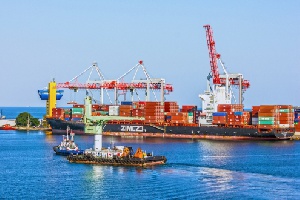 Many Ghanaian micro-exporters are eager to trade across borders