The Importers and Exporters Association of Ghana (IEAG) has called for transparency, due diligence and broad stakeholder engagement in the planned introduction of an artificial intelligence-driven system at the country’s ports – warning that any form of modernisation must be transparent, secure and aligned with existing national trade systems.
Addressing a press conference in Accra on December 18, the association’s Executive Secretary Samson Asaki Awingobit said the group supports innovation at the ports, but insisted that reforms must safeguard data sovereignty, protect revenue and avoid duplication of existing systems, particularly the Integrated Customs Management System (ICUMS).
“We have serious concerns about the planned introduction of an AI-driven port system and the reported award of a contract to Truedare Investments Limited, a Cyprus-registered company.
“Available public records do not show evidence of the company’s prior experience in port automation or artificial intelligence systems. More importantly, there has been no clear explanation of how the proposed platform will integrate with ICUMS or what safeguards will be put in place to protect Ghana’s trade data.
“ICUMS hosts all Customs declarations, trade values, cargo manifests and revenue records, making it a strategic national asset. Allowing a foreign private entity without a proven track record to rely heavily on this data could expose the country to serious risks, including loss of data control, cybersecurity threats, system duplication, revenue leakage and higher costs for traders.
“Any technological reform at the ports must be preceded by transparent stakeholder consultations, strong data protection guarantees and deliberate efforts to build local technical capacity within Customs and port institutions,” he elaborated.
Reviewing port operations and revenue mobilisation, the association said Customs revenue had improved in 2025 – reflecting stronger trade facilitation and system performance. It cited figures showing Customs revenue rising to about US$3.18billion as of September 2025, compared to approximately US$3.11billion during the same period in 2024.
It acknowledged that the ICUMS platform experienced intermittent technical challenges during the year, which affected access and operational stability for traders, but said these issues were addressed through collaboration between stakeholders and the system operator, including establishing a new central data workspace to strengthen resilience and service delivery.
It also noted that reforms such as 24-hour terminal operations at Tema Port had improved cargo handling capacity and throughput, enhancing the country’s competitiveness as a regional trade hub and easing clearance processes for importers and exporters.
Placing port performance within the broader economic context, the association commended government measures aimed at easing cost of doing business. These include removal of the COVID-19 health recovery levy and adjustments to the value-added tax rate under the 2026 tax reforms, which it said will reduce financial pressure on traders and improve confidence in the nation’s ports.
The association further pointed to improved macroeconomic indicators, including relative stability of the cedi, which it said had strengthened to about GH¢11.48 to the US dollar by mid-December 2025 compared to levels above GH¢15 earlier in the year. It said this development has reduced foreign exchange costs for importers who depend on dollar-denominated freight and port charges.
Inflation and interest rates were also cited as improving, with headline inflation declining significantly by November 2025 and the Bank of Ghana reducing its policy rate. Together, the association said, these trends are creating a more predictable and supportive environment for trade and investment.
Despite the positive outlook, IEAG urged government to sustain policy support – particularly by improving access to foreign exchange for traders, introducing targetted measures to cushion local businesses against external shocks and deepening reforms to make the country’s ports more competitive within the West African sub-region.
The association reaffirmed its support for reforms that strengthen trade facilitation and revenue mobilisation, while urging caution and inclusiveness in decisions affecting critical national trade infrastructure. It pledged continued collaboration with government to safeguard the efficiency, security and global competitiveness of the country’s port sector.
Business News of Monday, 22 December 2025
Source: thebftonline.com
IEAG urges caution over proposed AI system at country's ports
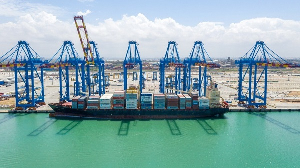 According to the association, Customs revenue has improved in 2025