Francis Adarkwah, Project Coordinator of the LEAF Project, has emphasised the vital role of Distributed Renewable Energy (DRE) technologies in transforming agriculture in Ghana, especially in regions identified as energy-deprived and agriculturally active.
During a presentation at the stakeholder engagement under the LEAF Project Assessment on August 7, 2025, he highlighted how solar-powered irrigation systems are emerging as a critical solution to water supply challenges in the agricultural sector, particularly in hotspot regions such as the Savannah zone.
“We look at agriculture, and solar irrigation is one of the key things we think would help water supply,” he stated.
He noted that access to water remains a major barrier to productive farming in many parts of the country and explained that DRE technologies, especially solar energy solutions, offer practical and sustainable answers to rural water access and agricultural productivity.
He added that through a collaborative framework involving the Ministry of Gender and the private sector, specific areas have been identified as needing urgent DRE interventions.
'Their legacy will not be forgotten' - Asanko Gold joins nation in mourning after helicopter crash
He further pointed out that the intersection of energy, gender, and agriculture is becoming increasingly important, as access to clean and affordable energy supports both livelihoods and gender development.
“Gender comes in when you talk about water supply, and agricultural irrigation plays a key role here,” he noted.
The event forms part of Ghana’s broader effort to integrate clean energy into key development sectors, advancing the country’s transition to renewable energy and strengthening its climate resilience.
The LEAF project is supported by the African Development Bank (AfDB), the Green Climate Fund (GCF), and SouthSouthNorth, a non-profit organisation based in Cape Town, South Africa.
DR/MA
How Virtual Reality is enhancing business and customer experience
Business News of Thursday, 7 August 2025
Source: www.ghanaweb.com
Renewable energy technology crucial for agriculture in Ghana – LEAF
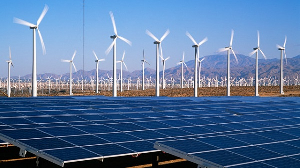 Distributed Renewable Energy technologies can transform Ghana's agricultural sector