GhanaWeb feature by Ernestina Serwaa Asante
Money, we all know, is hard to come by in recent times. Therefore, people ensure that what they accrue is used judiciously.
While some people with huge sums of monies may build or buy houses and purchase luxurious cars to showcase their wealth, others prefer to be angel investors or invest their capitals into projects such as real estate, manufacturing, and other ventures for long-term benefits.
You will recall that when the country was hit with the deadly Coronavirus pandemic in 2020 and was subsequently affected by the Russia-Ukraine War, businesses took a nosedive, and their investments were equally affected.
The Ghana cedi also depreciated against major trading currencies, especially the US dollar, which became a worry for many, especially the business community.
But before an investor, whether local or foreign, will pump their "life savings" into any business in Ghana, they consider several factors and weigh the options that best fit their plans.
In this article, we take a look at the five major things investors look out for before making any financial decision on investment.
Political and Economic Stability:
Investors always look for a stable political and economic environment before investing. The reason is that they want to secure their initial capitals and their profits.
Imagine investing in a country that is war-stricken, with high political tensions and a wobbling economy.
These factors automatically indicate that the investor has lost their money or will make just a small amount that will not match the initial capital injected into the business.
Therefore, political and economic instability is a major red flag for investors.
Business Laws and Regulations:
Investors are always on the lookout for the legal frameworks governing the industry they want to invest in. Being abreast of the laws will help highlight the restrictions, including those regarding foreign ownership.
In Ghana, the Ghana Investment Promotion Centre (GIPC) Act of 2013 (Act 865) regulates investments.
The GIPC Act sets minimum capital requirements for foreign investors, defines strategic investments, and requires registration of technology transfer agreements.
With the aim of protecting foreign investments, Ghana has been labeled one of the best investment destinations in West Africa.
According to the World Investment Report 2022, Ghana is the second-highest recipient of foreign direct investment (FDI) in West Africa.
Another report by Deloitte's 2022 Africa Investment Attractiveness Index showed that Ghana is the second-most appealing destination for investments in Africa.
Market Potential:
Some investors consider the market potential.
Is it a market that will thrive? Will the product or service be competitive in the market?
If it is a new entrant, can it be maintained, or will it be pushed out by the "giants" in the industry?
These are some questions investors need clarity on before making any financial moves.
Tax Incentives:
Businesses mostly complain about the numerous taxes paid at the ports.
They then pass on the cost to consumers, which is why the prices of goods and services keep skyrocketing.
Governments normally give tax incentives to businesses to attract foreign investment.
A tax incentive is basically a government's taxation policy designed to incentivize or encourage a particular economic activity by reducing tax payments.
Although tax incentives have negative impacts on the economy, it is mostly one of the options governments look at to get more Foreign Direct Investments (FDIs), which in turn helps the local economy too.
Meanwhile, watch as Eric Opoku announces that the government will subsidize agricultural insurance for farmers
SA/AE
Business News of Sunday, 26 January 2025
Source: www.ghanaweb.com
Here's what investors consider before pumping their monies into projects in Ghana
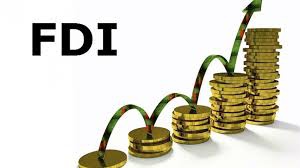 Governments give tax incentives to attract Foreign Direct Investments