Ghana is projected to allocate an average of 20 percent of government revenue to interest payments over the next four years, according to S&P Global Ratings.
Although the figure remains substantial, it is below the nearly 48 percent of revenue spent on interest in 2021, when debt-servicing costs reached a historical peak.
S&P said the expected decline reflects the impact of Ghana’s debt restructuring, the cedi’s appreciation in 2025 and reduced domestic borrowing costs, supported by lower inflation and interest rates.
The agency noted that the cedi had lost 9.2 percent of its value since the start of 2026 but remained 43 percent stronger than its weakest level. In November 2024, the currency traded at GH¢16.47 to the US dollar.
Inflation, which dropped to 3.2 percent in March 2026, rose modestly to 5 percent by the end of August. The agency said inflation had averaged 31 percent annually between 2022 and 2024, partly due to direct Bank of Ghana financing to government in the period before and during the debt crisis.
Domestic refinancing costs have also eased. Interest rates on six-month Treasury bills have declined to about 6.5 percent, while one-year bills stand at 10.1 percent, down from almost 30 percent at the end of 2024.
After the domestic debt restructuring in December 2022, the Ministry of Finance suspended the issuance of new medium- and long-term domestic bonds for three years.
The government began issuing longer-tenor bonds in 2026. S&P said the move should help lengthen the maturity profile of Ghana’s local currency debt.
However, the agency cautioned that the conflict in the Middle East could undermine some of the gains by driving up inflation and financing costs while placing additional pressure on the cedi.
Business News of Tuesday, 29 September 2026
Source: businesspostonline.com
S&P projects 20% revenue allocation to interest payments
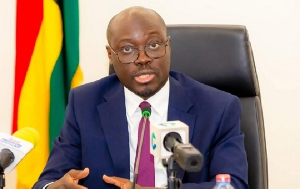 Dr Cassiel Ato Forson is the Minister of Finance