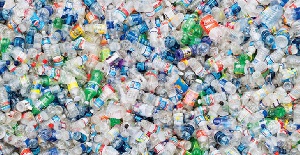
Ghana has seen a rise in plastic waste production, increasing from 40,000 tonnes annually to over 1.1 million tonnes.
Out of this waste produced, only 9% is recycled, while roughly 50% remains uncollected.
This uncollected waste often clogs drains and gutters, contributing to the flooding of homes during heavy rainfall.
The rest of the plastic waste are washed into rivers and other water bodies, exacerbating environmental degradation.
According to projections, fisherfolk may soon catch more plastic than fish if the current trend continues.
Speaking at the Environmental Sustainability Summit held in Accra on Tuesday, June 24, 2025, the Chief Executive Officer of Business & Financial Times (B&FT), Dr Godwin Acquaye, stated that plastic pollution is damaging fisheries and disrupting tourism.
He noted that the mismanagement of plastic waste costs Ghana an estimated $100 million annually and this figure translates to nearly 11% of the country’s Gross Domestic Product (GDP).
"Ghana generates about 840,000 tonnes of plastic waste annually, yet only nine to ten percent of that waste is successfully collected and recycled. Approximately nine percent still leak into the oceans," he said.
“This plastic threat clogs our drainage systems, leading to severe flooding as we witnessed two years ago. It damages fisheries and disrupts tourism, costing Ghana an estimated $100 million annually,” Dr Acquaye stated.
The call for environmentally friendly alternatives aligns with the global pursuit of Sustainable Development Goals (SDGs) 12 and 14.
Goal 12 promotes responsible consumption and production by encouraging industries to minimize waste, recycle, and adopt circular economy models.
Goal 14, on the other hand, focuses on the conservation and sustainable use of oceans, seas, and marine resources.
The Environmental Protection Agency (EPA) has also come up with strategies teased out from the 2020 National Plastic Management Policy to safeguard public health and the environment.
SA/MA
Business News of Thursday, 26 June 2025
Source: www.ghanaweb.com
Plastic waste costs Ghana $100 million annually - Report




Entertainment