The Ministry of Energy and Green Transition Richmond Rockson, has responded to concerns raised by the Trades Union Congress (TUC) and the Minority in Parliament following the Public Utilities Regulatory Commission’s (PURC) announcement of a 9% increase in electricity tariffs effective January 2026.
Spokesperson for the ministry, Richmond Rockson, explained that the latest adjustment must be understood within the broader context of ongoing reforms that have significantly improved the energy sector’s financial health.
He noted that the current 9% increase stands in sharp contrast to the previous increment of more than 27%, a reduction he attributes to deliberate reforms instituted by the government.
“If you compare the current 9% increase to the last increment, which was over 27%, it clearly reflects the impact of the reforms championed by the government, led by the Energy Minister, John Abdulai Jinapor.
"These reforms, together with the rebound of the economy and emerging positive indicators, have lowered the burden that typically forces higher tariff adjustments,” he said in an interview monitored by GhanaWeb.
Responding to the concerns raised by TUC, Rockson acknowledged that tariff increases are never popular but are often unavoidable.
“Generally, payment of taxes, levies, as well as tariff increases, are met with pushbacks, so it is understandable that TUC will raise these concerns. However, PURC’s decision to increase tariffs from January 1 is a necessary measure to address financial needs, largely capital and investment requirements of utilities, the asset base, and planned infrastructure investments over the next several years,” he said.
Utility Tariff Hike: 'ECG, GWCL are the real cancer in Ghana’s economic development' – FABAG
He noted that since January 2025, the government has implemented bold interventions that have begun yielding visible results in the power sector.
These include improved revenue collection by the Electricity Company of Ghana (ECG), strict compliance with the Cash Flow Waterfall Mechanism, and more consistent payments to Independent Power Producers (IPPs), all of which have contributed to stable power supply across the country.
“Since the government’s takeover, significant reforms, including the improved Cash Waterfall Mechanism, have enhanced the financial health of the utilities, ensuring that ECG stays current with IPP payments and that power supply remains stable. However, continued investment in infrastructure is crucial to sustain this stability and meet growing national demand,” he emphasised.
Rockson further stressed that the PURC’s tariff adjustment is not only aimed at safeguarding utility providers but also at enabling them to pursue critical investments needed to strengthen the sector in the medium to long term.
SP/EB
All you need to know about Ghana's new vehicle number plates | BizTech:
Business News of Tuesday, 9 December 2025
Source: www.ghanaweb.com
PURC tariff adjustment essential to safeguard utilities, protect gains - Energy ministry
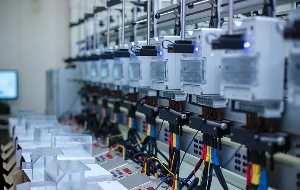 Rockson acknowledged that tariff increases are never popular but are often unavoidable



Entertainment