The Institute of Economic Affairs (IEA) has officially launched its Nuclear Energy Programme under the Nuclear Energy Centre of Excellence during a high-level roundtable held at the IEA Dialogue Centre in Accra.
The roundtable, held under the theme “Powering Ghana’s Industrial Future: The Role of Nuclear Energy in Energy Security and Sustainable Development” brought together key stakeholders from government, research institutions, the nuclear sector, and policy circles to discuss the strategic role of nuclear energy in Ghana’s long-term development.
The event was chaired by Prof David Okoh Kpegloh, with participation from representatives of the Ghana Atomic Energy Commission (GAEC), the Nuclear Power Institute, and other stakeholders involved in Ghana’s nuclear power programme.
As part of the programme, Dr Archibold Buah-Kwofie, Director of the Nuclear Power Institute at the GAEC, delivered a presentation on Ghana’s Nuclear Power Programme.
His presentation provided participants with an overview of the progress made in the programme, key milestones achieved, current challenges, and the priority actions required to sustain momentum toward the implementation of Ghana’s first nuclear power plant.
During the roundtable discussions, participants highlighted the critical role nuclear energy could play in strengthening Ghana’s long-term energy security, supporting industrialisation, and contributing to sustainable economic development.
The event also marked the formal launch of the Nuclear Energy Programme of the Institute of Economic Affairs, an initiative aimed at promoting policy dialogue, research, and advocacy to support Ghana’s successful development of nuclear power as part of its future energy mix
The programme will serve as a neutral platform for engagement among policymakers, technical experts, industry stakeholders, academia, and the broader public, fostering informed discussion on nuclear energy development in Ghana and across Africa.
The discussions also focused on key milestones achieved in Ghana’s nuclear power
programme, the challenges that remain, and the priority actions required over the next few years to maintain progress toward implementation.
The IEA noted that the Nuclear Energy Programme will contribute to strengthening public understanding of nuclear energy and provide a platform for continued dialogue on the policy, technical, and governance issues associated with nuclear power development.
The Institute reaffirmed its commitment to supporting national efforts aimed at ensuring that nuclear energy contributes effectively to Ghana’s long-term energy security, industrial growth, and sustainable development.
Two die in helicopter crash at Tema Community 1 – Reports
Business News of Wednesday, 18 March 2026
Source: Institute of Economic Affairs
IEA outlines key milestones, next steps in Ghana’s nuclear energy drive
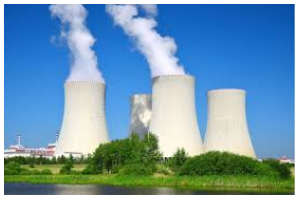 IEA has officially launched its Nuclear Energy Programme