A new report by Cambridge University Press & Assessment has urged Ghana to prioritise human skills, knowledge, and values in its education system to prepare students for the Artificial Intelligence (AI) era.
The report, titled “Humans at the Heart of Education,” emphasises that while teaching digital skills is important, the greatest potential for education lies in combining technology with human capabilities.
It calls on Ghana and other nations to focus on holistic education, collaboration across the education system, and empowering teachers to become agents of change.
Technology remains crucial for inclusive growth in Ghana and Africa - Julius Debrah
“AI is changing education, and the world students will graduate into, at a faster pace than any time in human history,” Managing Director of Partnership for Education at Cambridge, Jane Mann said.
“But teaching digital skills is just the start. For Ghana’s next generation to thrive, we must equip learners with the deeply human knowledge, skills, values, and connections that are key to building resilient individuals, and in turn resilient economies and societies,” Mann added.
The report highlights key recommendations for Ghana, including ensuring education remains locally relevant, keeping teachers central to learning, and developing skills and knowledge side by side.
It also stresses that technology should support teachers rather than replace them, enabling personalised learning, professional development, and innovative teaching methods.
“While only an estimated 5% of people speak English as a first language, 90% of several large language models’ training data is in English,” the report noted, warning of potential language biases in AI systems.
The report further encourages Ghana to prioritise human-centred skills such as creativity, critical thinking, empathy, and collaboration, alongside digital literacy. It cited efforts like the introduction of Professional Learning Communities in secondary schools as positive steps toward improving teaching quality.
“By keeping humans at the heart of education, we prepare Ghana’s next generation for all eventualities,” Mann said.
She concluded that aligning national curricula with local history, culture, and values is essential to achieving long-term educational success.
MA
Business News of Thursday, 16 October 2025
Source: www.ghanaweb.com
Human skills should drive Ghana's education in AI age - Cambridge report
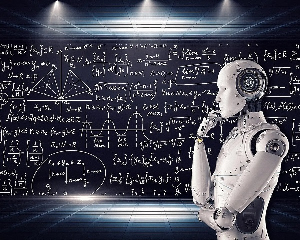 The report calls on Ghana and other nations to focus on holistic education