The Peasant Farmers Association of Ghana (PFAG) has expressed concern over a worsening grain glut that threatens the livelihoods of thousands of farmers across the country.
According to the association, more than 200,000 metric tonnes of unsold paddy rice and maize harvested from the last season remain stuck in warehouses and on farms, with some rice still unharvested.
A statement signed by PFAG’s National President, Wepia Addo Awal Adugwala; National Secretary, Isaac Pabia; and Acting Executive Director, Bismark Owusu Nortey, said the situation has left many farmers vulnerable to bird invasions, bushfires, and post-harvest losses.
“This unfortunate situation has placed the investments of farmers and government’s ‘Feed Ghana’ programme at risk. Without urgent intervention, many farmers—particularly the youth—may abandon cultivation next season due to growing frustration and financial distress,” the PFAG warned.
No feedstock shortage for Ghana's Petroleum Hub - Dr Aubynn assures
Earlier this year, the National Food Buffer Stock Company (NAFCO) announced the release of GH₵100 million to purchase excess produce and set minimum guaranteed prices for maize, rice and gari.
Although farmers described the prices as low, they welcomed the move as a better alternative to what middlemen offered.
However, the PFAG noted that farmers are yet to see any real purchases by approved buying companies. “To date, there is no information or data on which districts benefited, raising concerns about accountability and transparency,” the statement said.
In response to continued appeals, the Ministry of Food and Agriculture recently announced an additional GH₵100 million to tackle the crisis. While PFAG welcomed this swift action, it called for greater transparency and efficiency to restore farmer confidence.
The association is therefore demanding an immediate publication of the companies, locations, and quantities of grains procured with the initial GH₵100 million, as well as clear timelines for grain purchases under the new allocation.
It also called for the publication of a list of all approved licensed buying companies, millers, and aggregators, along with their assigned operational areas, to enable direct engagement with farmers.
PFAG further reiterated its call for legislation mandating all state institutions—including schools, hospitals, and security services—to procure only locally produced rice and maize. It also urged stronger border controls to prevent the smuggling of inferior rice and recommended a temporary ban on rice imports until the local market stabilises.
Additionally, the association proposed coordinated public campaigns by relevant ministries and stakeholders to promote the consumption of locally produced rice. It stressed that immediate implementation of these measures would help ease farmers’ distress and safeguard national food security, warning that failure to act could reduce rice production and derail Ghana’s goal of achieving self-sufficiency in rice.
PFAG also called on the government and stakeholders to develop a comprehensive, long-term national strategy to address marketing challenges across all crops—including vegetables, cereals, and legumes — to prevent similar crises in the future.
All you need to know about Ghana's new vehicle number plates |BizTech:
Business News of Friday, 7 November 2025
Source: thebftonline.com
Grain surplus deepens farmers' woes
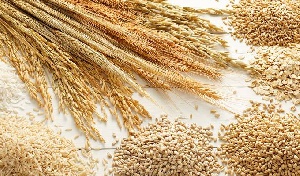 File photo of grains