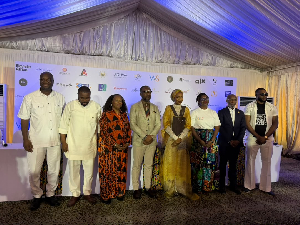
Stephen Apolima, a policy analyst and researcher, says the deep structural fragility of Ghana’s economy must be properly tackled, rather than simply “soothing” it with dollar injections.
“The Bank of Ghana, in its anxious bid to stabilise the cedi, often behaves like a physician who soothes a fever without curing the infection,” he said.
Apolima, in an interview with the Ghana News Agency, explained, “Each injection of foreign currency into the veins of the market cools the patient-economy momentarily, yet the sickness remains untouched, pulsing quietly beneath the surface.”
He stressed that Ghana must not continue to live on borrowed bread, noting, “Our economy inhales imports and exhales dependency.”
He added, “The country’s industrial base, weak and weary, can scarcely support the weight of her consumption because exports, which are modest and often raw, tell a story of a country that sells its inheritance for daily bread.”
The policy analyst urged the BoG not to treat currency weakness with temporary infusions, saying:
“The BoG must dream beyond the next balance sheet.”
“The cedi will not find peace in the vaults of foreign banks, but in the quiet hum of Ghanaian factories; in the cocoa that is processed locally, not shipped raw; in the minerals refined, not smuggled; in the rivers restored, not ruined,” he added.
He concluded that the BoG should anchor policy in productivity, arguing that when the government fully recognises environmental protection as a key economic policy, the cedi may no longer require artificial resuscitation.
Business News of Tuesday, 21 October 2025
Source: GNA
Ghana must permanently fix economic fragility - Policy analyst
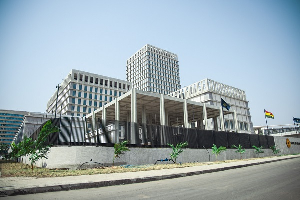 Bank of Ghana Headquarters



Entertainment