The Ghana Civil-Society Cocoa Platform (GCCP) has organised a two-day training workshop to prepare community-level monitors for the upcoming European Union Deforestation Regulation (EUDR), which takes effect in December 2025.
Held on July 28 and 29 at the Capital View Hotel in Koforidua, the training brought together cocoa cooperatives, NGOs, farmer groups, unions, media partners, and civil society representatives.
The focus was to equip local monitors with the skills to detect and respond to deforestation risks, particularly in cocoa-growing areas, ensuring Ghana’s cocoa exports meet EU standards.
The EUDR requires that commodities such as cocoa entering the EU are free from deforestation or illegal land use in their supply chains. Ghana, a major cocoa exporter, must comply with these regulations to maintain market access.
Obed, a GCCP representative, said the training aimed to empower farmers and cooperatives with knowledge and tools to identify forest loss. Participants were introduced to the Global Forest Watch app, which enables real-time monitoring of forest cover. Each trainee received a Samsung Galaxy tablet to support field monitoring efforts.
“Initially, many participants struggled with the platform,” Obed noted. “But by the end of the workshop, they had gained confidence. With two more field sessions planned, we expect full mastery of the tool.”
Leticia A. Yankey, a trainee from the Cocoa Mmaa Cooperative, expressed her readiness to apply the new skills: “Now I can detect deforestation in both forest reserves and farming areas. I’ll be able to assess and report any issues I observe.”
The initiative underscores Ghana’s efforts to align with international sustainability standards and highlights the role of local communities in safeguarding forests and securing the future of the cocoa industry.
Business News of Thursday, 31 July 2025
Source: Matilda Mensah Marfo, Contributor
GCCP sensitizes community monitors ahead of EU Deforestation Regulation
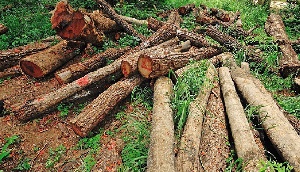 The focus was to equip local monitors with the skills to detect and respond to deforestation risks