The Environmental Protection Authority (EPA) is stepping up to tackle the growing mess from imported used clothing, popularly called "Obroni wawu" in Ghana.
The push comes after Channel One TV's recent documentary, ‘Rags and Riches’, which shone a light on how tons of unwearable second-hand clothes end up dumped improperly, harming the environment, piling up in landfills, choking waterways, and creating long-term pollution headaches.
On Channel One TV’s Breakfast Daily show on Monday, March 16, 2026, Larry Kotoe, the EPA’s Head of Sustainability and Circular Economy, shared details about the new approach.
“We are currently at the drafting stage, where we will be handing over the technical tracker, as we call it, to the Attorney General’s Department. We hope to have it in Parliament in June,” he said.
The proposed policy will use an extended producer responsibility (EPR) model.
In simple terms, it shifts some of the burden onto fashion brands overseas and local importers—they'll have to take real accountability for what happens to the clothes after they're sold or discarded, instead of leaving Ghana to deal with the waste alone.
This move aims to cut down on the flood of low-quality or damaged imports that can't be reused, encourage better sorting and recycling, and protect communities from turning into dumping grounds for global fast-fashion leftovers.
With millions of used garments arriving weekly (many unsellable), the EPA hopes this framework brings more fairness and sustainability to a trade that supports livelihoods but also creates high environmental costs.
The draft heads to the Attorney General soon, with Parliament eyed for June 2026.
NA/VPO
Business News of Monday, 16 March 2026
Source: www.ghanaweb.com
EPA to introduce new regulatory framework for 'obroni wawu' importation
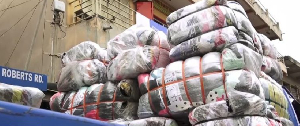 Imported used clothing, popularly called Obroni wawu in Ghana