Ghana’s Deputy Minister of Food and Agriculture, John Dumelo, who also serves as the Member of Parliament for Ayawaso West Wuogon, has inaugurated the Amankwakrom Cattle Ranch Task Force in the Kwahu Afram Plains North District.
The task force aims to resolve escalating conflicts between crop farmers and cattle herders, and to improve livestock management.
The newly launched farmer-herder task force was introduced during the third Interprofessional Collaboration for Community Development (ICCD) Summit, hosted by the Kwahu Asabi Royal Foundation.
The task force, comprising representatives of both farmers and herders, along with the local District Cattle Ranching and Transhumance Committee, is designed to manage cattle movements, prevent conflicts, and protect farmlands.
MP John Dumelo emphasized that the team must operate strictly within legal frameworks, reinforcing the rule of law.
As part of the Feed Ghana Programme, Dumelo also announced plans for local processing centres to curb post-harvest losses and boost farmers' incomes.
The initiative received strong community backing, with Chief Nana Otukwa Mpareko VI endorsing it, and fellow MPs Wolarse Kpeli and Emmanuel Nyadedzo calling for supportive district bylaws to regulate livestock and promote development.
The initiative underscores the government’s commitment to its Feed Ghana Programme, aiming to strengthen food security, boost rural economies, and manage agricultural conflicts.
Going forward, the newly formed task force will enforce cattle movement rules and local bylaws, while farm-based processing centres will be established to reduce crop losses and improve farmer earnings.
Authorities will monitor the results closely, with particular focus on the initiative’s effectiveness in curbing tensions between farmers and herders.
The initiative protects farmers' livelihoods by preventing crop destruction, increases rural incomes through reduced waste and on-site processing, and fosters peaceful farmer-herder coexistence—laying the foundation for sustainable livestock development and long-term rural stability.
Business News of Tuesday, 24 June 2025
Source: myxyzonline.com
Deputy Agric Minister launches cattle ranch task force in Afram Plains
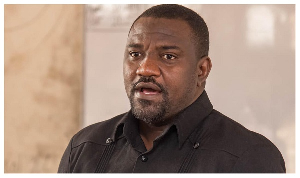 Deputy Minister of Food and Agriculture, John Dumelo