In a move aimed at safeguarding its local industries, Burkina Faso has announced an immediate suspension of all fresh tomato exports nationwide.
The decision, taken by the country’s military-led government, is intended to ensure that domestic tomato processing factories have enough supply to operate without disruption.
The directive was outlined in a joint communiqué issued on March 16, 2026, and signed by the Minister of Industry, Commerce and Artisanat, Serge Gnaniodem Poda, together with the Minister of State for Agriculture, Water, Animal and Fisheries Resources, Commandant Ismaël Sombie.
According to the statement, the ban applies nationwide and affects all businesses and individuals involved in exporting fresh tomatoes.
Sammy Gyamfi fires back at Amin Adam
Authorities say the restriction will remain in place “until further notice.”
The move underscores growing concerns about maintaining a steady supply of raw materials for local production, as the government prioritises strengthening its agro-processing sector and reducing pressure on domestic industries.
"The exportation of fresh tomatoes is suspended across the entire national territory until further notice," the joint communiqué read, citing the need to ensure adequate supply to national processing units.
The issuance of Special Export Authorisations, known by their French acronym ASE, has also been suspended with immediate effect.
Operators who already hold valid tomato export authorisations have been given a two-week window from the date of the communiqué to complete any pending export procedures.
After that deadline, all existing authorisations will be considered null and void.
The government has made it clear that anyone who defies the directive will face sanctions under existing laws.
It added that any tomatoes seized from violators will not go to waste but will instead be handed over free of charge to local processing factories operating under the country’s popular shareholding scheme.
In recent years, Burkina Faso has been stepping up efforts to grow its agro-processing sector, aiming to move away from exporting raw produce and instead add value locally.
This push has gained stronger momentum under the transitional military leadership of Captain Ibrahim Traoré.
The decision is expected to have effects beyond Burkina Faso’s borders. Countries within the sub-region, including Ghana, could feel the impact, especially given the close agricultural trade ties between the two nations.
In northern Ghana, where markets often depend on cross-border supplies of fresh produce, traders and consumers may soon experience change in availability and prices if the restriction remains in place.
Authorities say they are relying on the cooperation of everyone involved in the tomato trade, from farmers and exporters to border officials and security agencies, to ensure the directive is fully respected.
NA/VPO
Business News of Thursday, 19 March 2026
Source: www.ghanaweb.com
Burkina Faso suspends fresh tomato exports
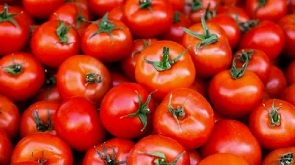 Photos of fresh tomatoes