The Chamber of Agribusiness Ghana is urging the government to lift the ban on grain exports to support stakeholders across the country’s agro-value chain.
According to the Chamber, both the government and the agricultural sector are facing mounting pressure due to the ongoing restrictions.
The Chamber argues that the ban has resulted in a food glut, which is negatively affecting Ghana’s food banks and limiting market opportunities for farmers.
In 2024, the NPP government imposed an immediate ban on the export of key grains including rice, maize, and soybeans in response to a prolonged dry spell that severely impacted the northern regions of the country. The drought caused widespread crop failures, particularly in the northern and middle belts.
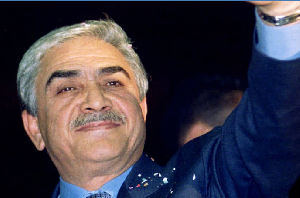
Speaking at the 7th Agrofood and Plastprintpack Ghana 2025, CEO of the Chamber, Anthony Morrison, stated that reversing the export ban would significantly boost agricultural trade and open new market opportunities for local producers.
“The restriction is creating challenges for the industry. So what do you do? Remove the restriction, the ban, and allow those with export capacity to export. What the government can do is set quotas; a limit on the amount of rice to be imported annually, and quotas for the export of soy, maize, and rice. This approach gives us flexibility and room to operate,” he said.
FLASHBACK: Ghana bans export of rice, corn and soybeans to address food shortage
Meanwhile, the Trade Counsellor with the Delegation of the European Union to Ghana, Gregor Schneider, encouraged stakeholders and industry players to protect their innovations through patent registration.
According to data from VDMA, the German Machinery Association, Ghana’s food and beverage technology imports rose from €59 million in 2017 to €80 million in 2024, while packaging technology imports reached €49 million last year.
SP/MA
All you need to know about Ghana's new vehicle number plates | BizTech:
Business News of Wednesday, 29 October 2025
Source: www.ghanaweb.com
Agribusiness Chamber calls for end to grain export ban amid food glut
 Anthony Morrison is the CEO of the Chamber of Agribusiness