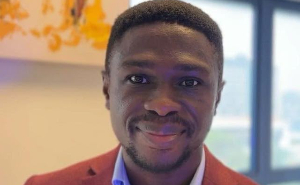
The African Climate Collaborative (ACC) at the University of Ghana is set to further develop and launch innovative climate-learning applications created by young people during the Green Race Hackathon 2026, with plans to take the platforms to universities across the country to promote practical climate education.
Speaking at the grand finale of the hackathon at the University of Ghana on Friday, August 21, 2026, Team Lead for Network Policy and Learning at the African Climate Collaborative, Daniel Kwabena Twerefou, said the initiative was designed to move climate education beyond conventional reading and lectures by engaging young people through practical and interactive tools.
Climate action can become Ghana's next economic opportunity - EPA Director
“We want to find a way of getting the youth to learn about climate change, but not something that they will always be reading,” he said.
According to Twerefou, the initiative was conceived to encourage young people to learn about climate change through games, quizzes, and practical activities that allow them to apply what they learn.
“They have to do something, do something, practise it,” he said, explaining the thinking behind the hackathon approach.
He mentioned that the organisers deliberately chose a co-creation model rather than relying solely on consultants to develop climate-learning solutions.
“We want the youth to create it, something that they think will make it easier to create the awareness, allow the youth to understand climate change, and practise it,” Twerefou explained.
The hackathon attracted about 500 applicants organised into approximately 120 teams, which were progressively shortlisted to 50, then 25, before five teams were selected for the grand finale.
The finalists were brought to the University of Ghana for four days, where they received support, mentorship, and resources to develop their applications into working demonstrations.
Mr Twerefou said the quality of the innovations demonstrated the capacity of young people to develop practical responses to climate challenges.
“You saw the innovation that the youth demonstrated, right? The app that they have is solid,” he said, adding that although the projects presented at the finale were demonstrations, the organisers would give the teams additional time to complete their applications.
He said the ACC was considering integrating the applications into its programmes or allowing the teams to develop and operate them independently before launching them to a wider audience.
“We will launch this. Go from university to university, introducing people, making noise around them, and encouraging the youth to go to that platform and learn about climate change and practise it,” he said.
Twerefou emphasised that the ultimate measure of the programme would be its impact on young people, while commending the participants, mentors and judges for their contributions.
He said the contestants had demonstrated “innovation, skills, and resilience” despite the intense pressure of the four-day development period.
“If I tell you the pressure, they are not sleeping. Taking coffee, you know, coming back, mentors coming in,” he said, stressing that the experience showed what young people can achieve when given the opportunity and support to develop solutions to climate-related challenges.
ANAS/MA
LIVE: GreenRes Hackathon 2026 Grand Finale to Spotlight Sustainable Innovation
Business News of Friday, 21 August 2026
Source: www.ghanaweb.com
African Climate Collaborative set to develop youth-led climate learning apps
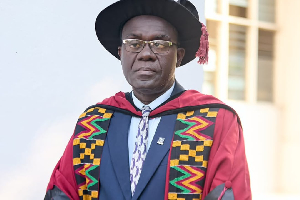 Daniel Kwabena Twerefou is a Professor in the Department of Economics at UG