The Institute of Statistical, Social and Economic Research (ISSER) has revealed that 77 per cent of Ghanaian households rely on primary fuels like charcoal for cooking.
This statistic was unveiled during the launch of the 2024 Ghana Social Development Outlook report.
Despite improvements in cooking transition between 2008 to 2022, ISSER’s findings indicate that only 28.7 per cent of households use clean energy for cooking.
The report, which assesses the effectiveness of policy interventions in Ghana’s health sector between 2022 and 2024, also evaluates other key areas of social development, including education, energy, housing, and governance.
Dr Martha Awo, Head of ISSER’s Social Division, shared excerpts from the report, highlighting that while primary fuels such as wood and charcoal remain prevalent, there has been a slight decline in their usage.
However, the Institute observed a worrying trend of slower increase in clean cooking transition rates between 2014 and 2022 compared to the period from 2008 to 2014.
The report also underscored significant regional and urban disparities in clean fuel adoption.
It noted that 45 per cent of urban households use clean energy for cooking, whereas a mere 11 per cent of households in rural areas have adopted clean energy solutions.
Pertaining to regional dynamics, urbanised areas, notably Greater Accra and Ashanti, lead in clean fuel adoption, while adoption rates in the northern regions continue to decline due to socioeconomic and infrastructural conditions.
Dr Awo emphasised the severe health impact of the low adoption of clean energy usage in Ghana.
She stated that the high prevalence of primary fuel use, particularly charcoal, in rural areas contributed to increased rates of respiratory diseases, cardiovascular conditions, and other adverse health outcomes.
She urged the government to implement comprehensive public awareness campaigns about the benefits of clean cooking and to fund research into locally appropriate technologies.
Dr Awo concluded that through the implementation of targeted, evidence-informed policies that addressed accessibility, affordability, and awareness, Ghana could accelerate its journey towards universal access to clean and safe cooking energy.
Business News of Saturday, 12 July 2025
Source: GNA
77% of households still rely on charcoal - Report
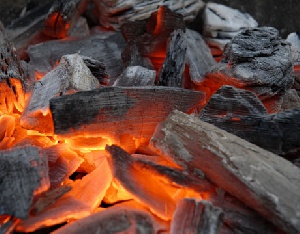 File photo