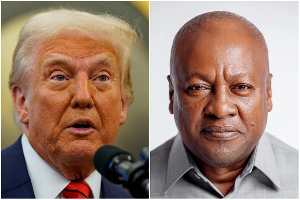
Some politicians who defended the implementation of the Electronic Transfer Levy (E-Levy) in 2022 are now opposing the GH¢1 fuel levy (dubbed the D-Levy) introduced by the current government.
The government, in collaboration with the Ghana Revenue Authority, began implementing the fuel levy on July 16, 2025. It is intended to offset the country’s energy sector debt and support the purchase of natural gas for electricity generation.
Here are five Members of Parliament who are now opposing the D-Levy but strongly supported the E-Levy in 2022:
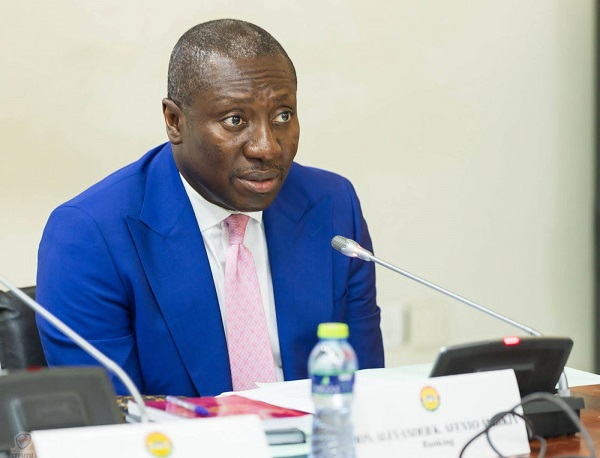
1. Alexander Kwamina Afenyo-Markin
In 2022, then Majority Leader Alexander Afenyo-Markin described the E-Levy as a necessary and innovative measure to support Ghana’s struggling economy, especially in the wake of COVID-19’s economic impact.
However, in 2025, now serving as the Minority Leader, Afenyo-Markin has taken a different stance on the GH¢1 fuel levy, warning that it could worsen the living conditions of ordinary Ghanaians.
2. Kojo Oppong Nkrumah
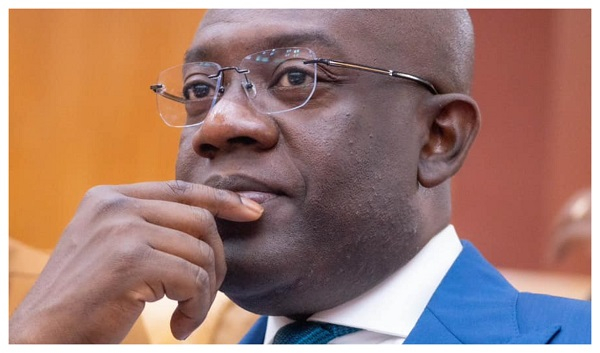
Kojo Oppong Nkrumah defended the E-Levy in 2022, stating that it aimed to help the government generate funds to meet the needs of citizens, not just to serve government interests, but to secure resources for essential services.
In contrast, he has criticised the D-Levy, arguing that it places a heavier burden on the poor. Unlike the E-Levy, he noted, the fuel levy offers no exemptions and affects low-income earners more significantly, as every cedi counts for them.
3. George Kwame Aboagye
In 2022, George Kwame Aboagye, a Ranking Member of the Energy Committee and MP for Asene, urged Ghanaians to support the E-Levy, saying it would help develop the country's infrastructure.
In 2025, he opposed the new Fuel Levy, arguing that it imposes an 8% charge on every fuel transaction without exemptions, placing additional pressure on ordinary citizens.
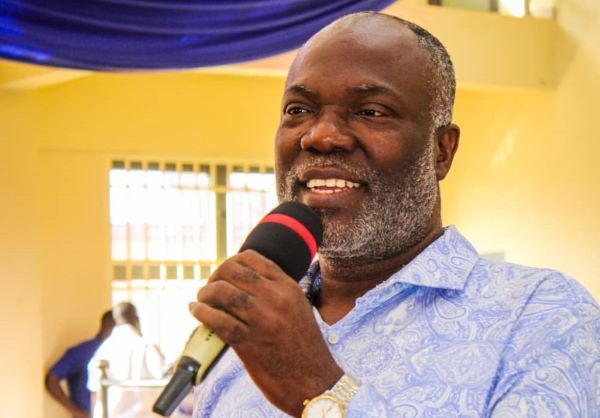
4. Collins Adomako-Mensah
In 2022, Collins Adomako-Mensah, MP for Afigya Kwabre North, supported the E-Levy, saying it was a good step toward broadening the tax net.
However, in 2025, he warned that the new fuel levy would overburden Ghanaians, especially in a period of economic difficulty.
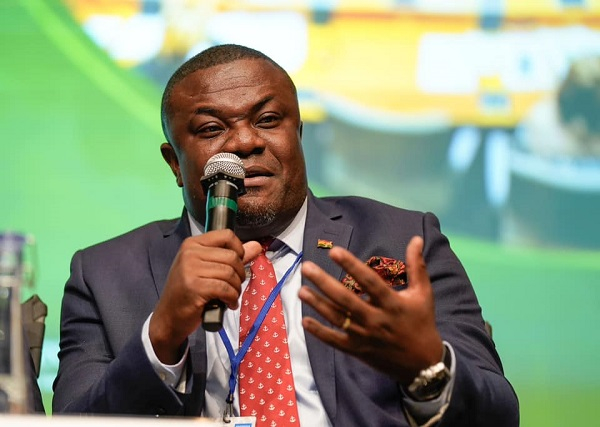
5. Francis Asenso-Boakye
MP for Bantama, Francis Asenso-Boakye, recently stated that the E-Levy was “optional and progressive,” as it allowed people to avoid the tax by choosing not to make electronic transfers.
He criticised the fuel levy as being harsher and more regressive, noting that it affects everyone regardless of income level and disproportionately burdens the poor.
DR/MA
Watch the latest episode of BizTech below:
How Virtual Reality is enhancing business and customer experience
Business News of Friday, 18 July 2025
Source: www.ghanaweb.com
5 politicians who defended E-Levy but are now opposing D-Levy
 Some of the politicians who defended E-Levy but are now opposing D-Levy