


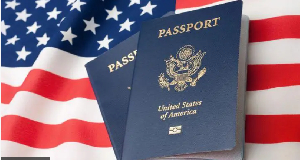
Di US Supreme Court go hear di argument on 1 April on di legality of President Donald Trump controversial plan to limit birthright citizenship.
Trump sign di executive order for 20 January 2025 - on di first day for office on im second term - and e don triger widespread legal challenges, and e don leave many immigrant families to dey worry.
For almost 160 years, di 14th Amendment for di US Constitution don guarantee automatic citizenship for anybody wey born for American soil.
But Trump order wan reinterpret dat guarantee, citizenship to pikin wey immigrants wey dey live for di kontri illegally or on temporary visas, born.
Becos lower courts don issue ruling wey block di order, no-one don dey subjected to am yet.
If Trump win for Supreme Court, di order go start to dey work 30 days afta di ruling.
So how dis dey, compared to citizenship laws around di world?
Birthright citizenship worldwide
Birthright citizenship, or jus soli (right of di soil), no be di norm globally.
Di US na one of about 30 kontris - mostly for di Americas - wey dey give automatic citizenship to anybody wey dem born for dia borders. Oda examples na Brazil, Argentina, Chile, and Mexico.
In contrast, many kontris for Asia, Europe, and some parts of Africa dey follow jus sanguinis (right of blood) principle, wia pikin dey inherit nationality from dia parents, no matta di place wia dem born dem.
For example, Russia, Indonesia, Japan, China, Thailand, Vietnam, Nigeria, and most of di Middle East and North Africa dey use dis system.
India too dey follow jus sanguinis, while Pakistan na rare exception for Asia, dem dey grant automatic citizenship to anybody wey dem born for dia soil.
Oda kontris get combination of both principles, dem dey also grant citizenship to pikin of permanent residents. Nations wey use mixed approach include di UK, Portugal, Spain, France, Germany, Australia, and South Africa.
John Skrentny, sociology professor for University of California, San Diego believe say, though birthright citizenship or jus soli dey common throughtout di Americas, "each nation-state get im own unique road to am".
"For example, some involve slaves and former slaves, some no involve dem. History dey complicated," e tok. For di US, dem adopt di 14th Amendment to address di legal status of freed slaves.
However, Mr Skrentny argue say wetin most of dem get in common na "building a nation-state from former colony".
"Dem gatz dey strategic about who dem go include and who dem go exclude, and how to make di nation-state dey governable," e explain. "For many, birthright citizenship, dey based on di territory wia dem born di pesin, e fit help dem achieve dia state-building goals.
"For some, e dey encourage immigration from Europe; for odas, e ensure say indigenous populations and former slaves, and dia pikin dem, go dey included as full members, and dem no go dey stateless. Dis na particular strategy for particular time, and dat time fit don pass. "
Changing policies and growing restrictions
For recent years, several kontris don change dia citizenship laws, tighten or cancel birthright citizenship due to concerns ova immigration, national identity, and so-called 'birth tourism' wia pipo dey visit a kontri just to born.
India, for example, once dem grant automatic citizenship to anyone wey dem born for dia soil. But ova time, concerns ova illegal immigration, particularly from Bangladesh, make dem put restrictions.
Since December 2004, wen dem pikin for born in India citizen if both parents na Indian, or if one parent na citizen and di oda no dey considered as illegal migrant.
Many African kontris, historically dey follow jus soli under colonial-era legal system, later abandon am afta dem gain independence. Today, most of dem require at least one parent to be citizen or permanent resident.
Citizenship dey even more restrictive for most Asian kontris, wia e mostly dey determined by sescent, for nations like China, Malaysia, and Singapore
Europe don see significant changes. Ireland na di last kontri for di region wey allow unrestricted jus soli. Dem cancel di policy afta one poll for June 2004, wen 79% of voters approve make dem change constitution amendement to require at least one parent wey be citizen, permanent resident, or legal temporary resident. Di govment tok say change dey necessary becos foreign women dey travel go Ireland to go born just to get EU passport for dia babies.
One of di worst change wey happun for Dominican Republic, wia for 2010, dem change di constitution wey redefined citizenship to exclude children wey dem born from undocumented migrants.
For 2013, Supreme Court rule make dis retroactive to 1929, wey come strip tens of thousands pipo - mostly from Haitian descent - of dem Dominican nationality. Rights groups warn say dis fit leave many pipo stateless, as dem no get Haitian papers too.
Di move don receive widely condemnation from international humanitarian organisations and di Inter-American Court of Human Rights.
Becos of di public outcry, di Dominican Republic don pass law for 2014 wey go allow make dem grant citizenship to Dominican-born children wey immigrants born for dia, especially di ones wey come from Haitian descents.
Skrentny see di change as part of bigger global trend. "We dey for mass migration era and easy transportation, even cross ocean. Now, pipo dey strategic about citizenship. Na why we dey see dis kind debate for US now."
Legal challenges
Within hours of President Trump order on 20 January 2025, 22 Democratic-led states for San Francisco city, di District of Columbia, and civil rights groups sue di federal govment dem challenge di measure.
Di executive order suffer im first major setback wen, on di fourth day of Trump presidency, US District Court Judge John Coughenour block am temporarily, e call am 'blatantly unconstitutional'.
After dis several federal court judges rulling say Trump plan dey violate di Constitution, and two federal circuit courts come uphold injunctions wey block di order from taking effect.
Trump den run go Supreme Court to fight di injunctions. In a win for Trump, for June court rule say di injunctions issue wey lower courts exceed dia authority, though dem no tok about di issue of birthright citizenship.
Di case don dey bifor US Supreme Court as Trump v Barbara, na nationwide action wey American Civil Liberties Union (ACLU) and other civil rights groups file on behalf of children wey go lose dia citizenship and dia parents
Di Supreme Court later agree to hear di case on 1 April 2026, dem place am on accelerated schedule.
Meanwhile, di Trump administration don double down, dem dey argue for di filings say di14th Amendment no dey intended to grant citizenship to di children of undocumented or temporary migrants - view wey constitutional scholars don reject.
BBC Pidgin of Tuesday, 31 March 2026
Source: BBC
US Supreme Court go hear Trump birthright citizenship case - wetin be di laws for oda part of di world?
 Di US Supreme Court go hear di argument on 1 April




Entertainment
Opoku Bilson reportedly graduates as registered nurse


©
