


Several African countries don react to di ongoing kasala wey dey hapun for di Middle East, as di US-Israel and Iran conflict enta di third day.
Di African Union, like di govments of some African countries don condemn di attack and call for restraint, as dem fear say di kasala fit lead to wider conflict wey fit threaten global peace, food, energy security and economic challenges wey go worsen di existing humanitarian and regional crises wey dey for di Africa.
Di AU Commission chair Mahmoud Ali Youssouf for one statement on X, tok say di union dey "deeply concerned" by di military strikes against Iran, wey e say na "escalation wey fit mark serious intensification of hostilities for di Middle East".
For separate statements following di Saturday air strikes, Nigeria, Ghana, Kenya and Senegal don call on US, Israel, and Iran to de-escalate and return to dialogue.
Meanwhile, di regional bloc, Economic Community of West African States (ECOWAS), wey dey represent di subregion, align wit di African Union call for calm.
Ecowas for statement tok say wetin dey hapun for di Middle East go get serious consequences for international peace and security, for global energy markets, trade, and food supply chains, especially for Africa.
Nigeria Ministry of Foreign Affairs warn say di continued fight-fight fit destabilize global energy markets and worsen economic pressures on countries wey dey exposed to global shocks.
Authorities for Accra don also raise concerns on top di potential disruption to global oil supply and fuel price increase if di conflict continue.
Di reactions from Abuja, Accra, and Dakar show one common concern about how di escalating conflict between US, Israel, and Tehran fit disrupt energy transit routes, drive up oil prices, and affect trade flows, wey dey critical to African economies.
Na on Saturday, 28 February, US and Israel bin launch one "massive" and ongoing attack against Iran leadership and military.
Di attack bin lead to di death of Iran Supreme Leader Ayatollah Ali Khamenei, and Iran promise to revenge di death of dia leader.
Iran bin respond by firing ballistic missiles and drones for US assets and allies across di region, wey target Israel, Bahrain, Kuwait, Qatar, di United Arab Emirates and Jordan.
On Sunday, Israel say dem launch fresh attacks on "di heart of Tehran", as Iranian attacks across di region also continue.
By Monday, di conflict don spread to Lebanon overnight as Israel and Hezbollah exchange fire.
Di kasala don lead to di death of hundreds of pipo, damage on airports, ships plus oda military sites, and e don dey get impact on economic and security.
Hike in global oil price afta Iran threaten crucial Strait of Hormuz
Global oil prices don rise as Iran continue to launch strikes across di Middle East in response to ongoing attacks by di US and Israel.
Brent crude, di global benchmark for oil prices, bin jump by 10% to touch more dan $82 per barrel on Monday, bifor e relax afta dem attack at least three ships near di Strait of Hormuz ova di weekend.
Iran don warn vessels say make dem no pass through di crucial waterway for di south of di kontri, wia dem dey ship about 20% of di world oil and gas.
International shipping bin almost come to a standstill for di entrance to di Strait of Hormuz, as analysts warn say prolonged conflict fit push energy prices even higher.
Wit Brent crude trading above Nigeria 2026 budget benchmark of $64.85 per barrel, higher prices fit boost export earnings, strengthen foreign reserves and increase inflows into di Federation Account — wey go potentially raise FAAC allocations to federal, state and local govments.
However, Nigeria still dey import some of dia refined petroleum products like petrol and aviation fuel, and dia prices dey expected to rise as international crude oil price rise.
On Sunday, di Opec+ group of oil producing nations bin agree to increase dia output by 206,000 barrels a day to help cushion any price rises, but some experts doubt dis go be of much help.
Edmund King, president of di AA, warn say di kasala for di Middle East fit drive up petrol prices around di world.
"Di turmoil and bombing across di Middle East go surely be a catalyst to disrupt oil distribution globally, wey go inevitably lead to price hikes," e tok.
"Di magnitude and duration of pump price increase go depends on how long di conflict go on."
On Sunday, Iran Islamic Revolutionary Guards Corps (IRGC) say dem strike three tankers from di UK and US "by missiles and dem dey burn". Although, UK and US neva comment.
At least 150 tankers don drop dia anchor for di open Gulf waters beyond di Strait of Hormuz, although a handful of Iranian and Chinese vessels don pass through today, according to ship-tracking platform Kpler.
"Bicos of Iran threats, di strait dey effectively closed," Homayoun Falakshahi from Kpler tell BBC News.
If global crude price rise, di cost of refined products — wey include petrol and diesel — fit increase domestically, and dat go worsen inflation and di cost-of-living crisis.
Higher shipping and insurance costs go further raise di price of imported goods, and e go get ripple effects on transportation, food distribution and household expenses.
Disruption of flights
Apart from di increase in di price of oil, di fight don already dey disrupt global travel.
Thousands of international airlines don cancel, suspend, or reroute flights to and from di Middle East sake of safety concerns.
Airspaces for several countries don temporarily close, wey don leave passengers stranded or force airlines to take longer, costlier routes.
Virgin Atlantic bin suspend dia services between London and Riyadh and Dubai ova di weekend.
Qatar Airways tok say dia operations go remain temporarily suspended sake of di closure of Qatari airspace,
Dem dey among di several airlines across di world wey gatz cancel or reroute flights to avoid di closed or restricted airspace.
For Nigeria, and indeed di rest of Africa, di impact fit include higher fares, travel delays and uncertainty. Di pipo wey dey plan religious pilgrimages, including the lesser Hajj during Ramadan, fit dey affected.
Students and professionals for di affected countries fit also experience mobility challenges.
Shi'ite protests emerge afta Khamenei killing
Shi'ites members dey para ova di killing of Iranian Supreme Leader Ayatollah Ali Khamenei wey die for inside one joint US Israeli airstrike on Saturday.
According to reports, di protest don lead to di death of dozens of pipo and leave several odas injured.
Demonstrations spread across Pakistan, while crowds for India, Yemen, Iraq and Turkey mourn di Iran Supreme Leader and condemn US actions.
For Nigeria, members of di Islamic Movement for Nigeria (IMN), wey Ibrahim El Zakzaky dey lead bin hold coordinated demonstrations across several northern states on Sunday, 1 March.
Di IMN, wey dia ideological and religious loyalties dey closely tied to Iran, bin ginger supporters for Gombe, Niger, Kano, Bauchi, Yobe and Sokoto States.
For Gombe, worshippers bin gada afta prayers and dem march from dia religious centre for Tudun Wadan Pantami. Dem hold placards wey condemn di attacks and call for justice.
Similar demonstrations dey reported for Niger State, wia participants wave Iranian flags and carry out anti US and anti Israel messages.
Meanwhile, di Nigerian police don call for intensified surveillance across di northern part of di kontri following di protests.
Di Inspector General of Police Olatunji Disu tok say Nigeria no go serve as theatre for foreign conflicts.
"Any attempt to import external ideological or religious tensions into di country go dey met wit di full weight of di law," e add.
E also direct increased surveillance and intelligence gathering around worship centres and public spaces for di country, and charge officers to quickly address any attempt by individuals or groups to exploit global developments to incite unrest or sectarian tension.
BBC Pidgin of Monday, 2 March 2026
Source: BBC
How US-Israel conflict wit Iran fit affect Africa
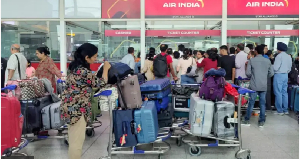 Plenti pipo dey stranded for airport






©
