The Prime Minister of Guinea, Amadou Oury Bah, has described a new waste management partnership between Ghana’s Jospong Group of Companies (JGC), through its environmental services subsidiary, Zoomlion Ghana Limited, and the Guinean government as a continuation of the historic ties between the two countries.
“The relationship between Ghana and Guinea has been historic, dating back to the days of independence. Our two countries have been friends since then, and this partnership is a continuation of that brotherhood,” he said.
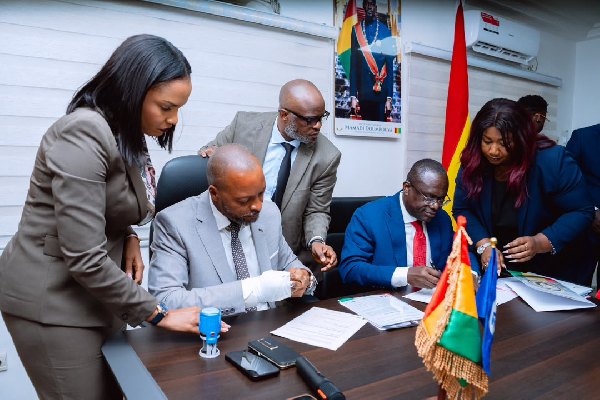
The Prime Minister made the remarks when JGC’s leadership, led by Executive Chairman Joseph Siaw Agyepong, paid a courtesy call on him on November 3, following the signing of a public-private partnership agreement with the Guinean government.
The agreement seeks to establish an integrated municipal waste management system for Conakry, with emphasis on waste collection, recycling, recovery and resource utilisation.
Operating through Zoomlion Guinea Integrated Waste Solutions Limited (ZGIWSL), the company will work with the Ministry of Sanitation, Hydraulics and Hydrocarbons and the National Agency for Sanitation and Public Health. Its responsibilities will include managing transfer stations, organising waste collection in major public markets and transporting refuse to the Baritodé landfill and future recovery facilities.
Guinea’s Minister of Sanitation, Hydraulics and Hydrocarbons, Aboubacar Camara, described the agreement as a major turning point in efforts to address the country’s longstanding sanitation challenges.
He said the government had struggled for about 30 years to find a lasting solution to waste management in Conakry, adding that the partnership followed extensive due diligence and visits by Guinean officials to Ghana.
Camara said the proposed waste processing and recovery plant was expected to create between 2,000 and 3,000 jobs, while making sanitation work more attractive to young Guineans.
He also stressed the importance of public participation, saying the company would work with municipal authorities, schools, traditional leaders and youth organisations to promote environmental awareness.
Agyepong said the partnership would introduce an African-led, self-sustaining waste management model that would turn environmental challenges into opportunities for economic growth and job creation.
He said Jospong operated in 29 countries, had an asset base exceeding $2.4 billion and employed about 10,000 people globally. These figures were provided by the company.
The project is expected to support Guinea’s Simandou 2040 development programme, which prioritises infrastructure modernisation and improved sanitation.
The agreement comes amid growing pressure on Conakry’s waste management system. The city generates more than 2,500 tonnes of municipal solid waste daily but has historically collected only about 44 to 55 percent.
The urgency was underscored in August 2025, when heavy rainfall triggered the collapse of the Dar-es-Salam landfill at Gbessia, killing at least 30 people.
Under the partnership, organic waste is expected to be processed into compost for farmers, while plastics, paper, glass and metals will be recovered for recycling and use by local industries.
The initiative is also expected to support efforts to rehabilitate degraded dumpsites and improve environmental conditions across the Guinean capital.
Africa News of Wednesday, 4 November 2026
Source: www.ghanaweb.com
Guinea PM endorses Zoomlion waste management deal
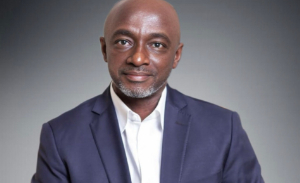
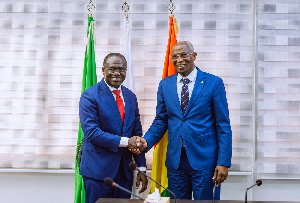 Prime Minister of Guinea, Amadou Oury Bah and Executive Chairman of JGC, Joseph Siaw Agyepong