Uganda’s military chief, Gen Muhoozi Kainerugaba, on Friday morning issued a hasty apology to the US and deleted posts on X in which he had threatened to rupture relations between Kampala and Washington.
The apology did little to disguise Kampala’s frustration over counterterrorism cooperation with the US, particularly in the fight against al-Shabaab in Somalia. In the deleted posts, Gen Muhoozi accused the US embassy of harbouring opposition leader Robert Kyagulanyi, alias Bobi Wine, who has been in hiding since the announcement of presidential election results on January 18.
Gen Muhoozi had earlier declared that Uganda intended to withdraw from Somalia, ending nearly two decades of participation in African Union missions backing the federal government against al-Shabaab.
“After 19 years in Somalia, we intend to completely withdraw from that country very soon,” he wrote in a post that was later deleted.
Urgent talks
Sources told The EastAfricanthat the threat triggered urgent talks between US embassy officials and the Uganda Peoples Defence Forces (UPDF) aimed at resetting cooperation and averting a security shock. Uganda, Kenya, Ethiopia, and Djibouti currently contribute troops to the African Union Support and Stabilisation Mission (Aussom).
At a high command meeting on January 28, two days after Gen Kainerugaba’s post, President Yoweri Museveni reportedly accepted a proposal from the UPDF Chief of Defence Forces to withdraw. No timeline has been made public.
A Ugandan pull-out would significantly reshape African-led counterterrorism and peacekeeping efforts. The US military provided $12 million to the UPDF in 2025 for operations in Somalia, according to US embassy documents in Kampala. The Trump administration has, however, signalled cuts to overseas missions that do not directly benefit Americans.
Muhoozi’s apology cited direct talks with US Ambassador William Popp:
“I want to apologise to our great friends the United States for my earlier tweets that I have now deleted. I was being fed wrong information,” he said.
“I have spoken with the US Ambassador to our country and everything is okay. We are going to continue our military cooperation as usual.”
US embassy spokesperson Amy Petersen declined to confirm whether crisis meetings had taken place but said: “The embassy meets regularly with Ugandan officials on a range of issues.”
For Kampala, the outburst may have been tactical, deflecting attention from election-related criticism, including harassment of Bobi Wine and violence against his supporters. It may also reflect frustration at Uganda’s growing isolation on counterterrorism.
This week, US Deputy Secretary of State Christopher Landau toured Africa to discuss trade and security, visiting Ethiopia, Djibouti, Egypt and Kenya, but not Uganda.
Uganda’s human rights record has also drawn scrutiny on Capitol Hill. On January 23, US Senator Jim Risch, chairman of the Senate Foreign Relations Committee, urged Washington to reassess ties with Kampala and consider sanctions against Gen Kainerugaba.
“As with Tanzania, the administration should reassess the US security relationship with Uganda, beginning with a review of whether sanctions are warranted under existing authorities against specific actors, including General Muhoozi Kainerugaba,” Risch said.
Troops financial burden
Analysts say Gen Muhoozi was reacting to Western pressure, particularly after the US and European donors cut funding for Aussom in January 2025. Uganda contributes about 4,500 troops to the mission.
“Western countries stopped financing our stay there and it’s financially unaffordable for Uganda to keep her troops there on her own money,” said veteran journalist and security analyst Andrew Mwenda.
Beyond its Aussom allocation, Uganda also deploys additional troops under a bilateral arrangement with Somalia’s federal government to secure critical installations, including Mogadishu’s airport and seaport, government buildings and foreign missions.
Ugandan forces control the Banadir region, which hosts the capital, and the Lower Shabelle region, a key agricultural corridor.
Defence Minister Jacob Oboth said that, at Somalia’s request, Uganda decided on January 1, 2025, after the expiry of the previous AU mission, to maintain more troops than allowed under its Aussom quota.
“We have additional manpower there, much more than what the AU mission allows us to have. We didn’t want to leave Somalia or Mogadishu exposed to imminent threats from al-Shabaab,” Oboth said.
Uganda funds the extra UPDF troops itself, part of the 8,000 additional forces agreed at a summit of troop-contributing countries in Entebbe in April 2025.
Mwenda argues that despite Uganda’s commitment, the financial burden and al-Shabaab’s resilience make withdrawal likely.
“Even if we stayed there for another 50 years, we can only delay but not stop the final takeover of al-Shabaab in Somalia. It’s like the Americans and their NATO allies in Afghanistan,” he said. “Al-Shabaab is the heartbeat of the Somali people. We are fighting against a popular movement and protecting a corrupt and incompetent government that is not in sync with the best interests of the Somali people.”
Gen Kainerugaba’s threat came just after Ugandan forces secured gains against al-Shabaab on the south-west coast, liberating three key towns. Kampala may want credit for those victories, but not the cost of sustaining them.
Africa News of Monday, 2 February 2026
Source: theeastafrican.co.ke
Muhoozi's outbursts expose Uganda's unease with funding Somalia war
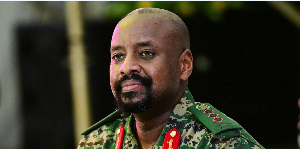 Muhoozi Kainerugaba, Uganda's military chief and son of President Yoweri Museveni