South Sudan is increasingly at loggerheads with key donors to its fragile peace process, amid fears the country could relapse into the levels of violence witnessed in 2013 and 2016.
Concerns centre on the continued detention of opposition figures central to the 2018 peace deal, and uncertainty surrounding elections
scheduled for December 2026.
On December 18, the Troika—comprising the United States, the United Kingdom, and Norway—issued a stark statement, saying optimism that followed the signing of the Revitalised Agreement for the Resolution of the Conflict in South Sudan (R-ARCSS) has evaporated.
"When R-ARCSS was signed just over seven years ago, it was hoped that it would bring peace after the country's initial years of independence were scarred by conflict, including brutal violence against civilians. Despite the support of the international community, the optimism and relief that followed the R-ARCSS were undeserved," the statement read.
The Troika accused Juba of reneging on the deal and warned of renewed large-scale conflict. It urged South Sudan's neighbours, who stand to lose most from instability, to press the message that "enough is enough."
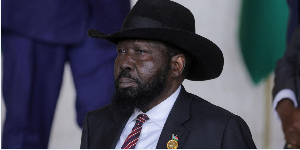
Last week, President Salva Kiir proposed AMENDING THE PEACE AGREEMENT TO DELAY KEY REFORMS—including constitutional review, a population census, and institutional restructuring—until after the 2026 elections. His allies argue that this would remove obstacles to holding polls.
But critics say the move undermines the 2018 agreement. The acting chairman of Riek Machar's party, SPLM-IO, Oyet Nathaniel Pierino, appealed to guarantors to reject unilateral amendments, warning they aimed at dismantling the peace process.
Machar, the suspended First Vice-President, is a signatory to the 2018 peace deal, which named him, rather than his political party, as a party to the agreement alongside Kiir and leaders of other armed groups. Machar and seven SPLM-IO members remain in detention, facing treason and crimes-against-humanity charges. Their arrest followed clashes in Upper Nile in March involving the White Army militia, allegedly linked to Machar.
Donors argue the trial has stalled the transition, suggesting thecrisis is political rather than legal.
Relations with donors have further soured over corruption and heavy tariffs on humanitarian aid. The US recently threatened severe action after Juba continued taxing relief supplies. Public resources are reportedly misused, civil servants remain unpaid, and donors have been forced to provide basic services.
A high-level meeting in Juba on December 10, attended by Kiir's allies and SPLM-IO breakaway factions, resolved to form a committee to amend the agreement. But Machar loyalists dismissed the gathering as illegitimate, saying it excluded key signatories.
Regional bloc IGAD, which mediated the R-ARCSS, has repeatedly called for Machar's release, warning his detention risks collapsing the peace
deal.
The R-ARCSS stipulates that a permanent constitution, national census, and institutional reforms must precede elections. Yet most deadlines have been missed since the Transitional Government of National Unity was formed more than five years ago.
Opposition figures insist these prerequisites are essential for credible polls. Puok Both Baluang, Machar's press secretary, warned that rushing to elections without them would be "a recipe for disaster."
The National Constitution Review Commission began public consultations in October, but faces a tight deadline: the constitution must be completed at least six months before the 2026 vote.
Parliament passed the Constitution-Making Process Act in 2022, mandating civic education, consultations, and a National Constitutional Conference to ensure broad participation.
PERSISTENT VIOLENCE
Despite these efforts, sporadic violence continues to derail progress. In its third quarterly report of 2025, the Reconstituted Joint Monitoring and Evaluation Commission said insecurity remains the single biggest obstacle toimplementing the peace deal.
Africa News of Saturday, 20 December 2025
Source: theeastafrican.co.ke
South Sudan at odds with donors over reforms, detentions
 South Sudan's President Salva Kiir