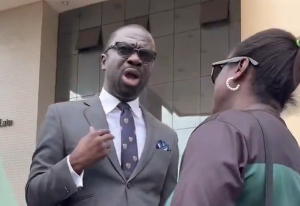
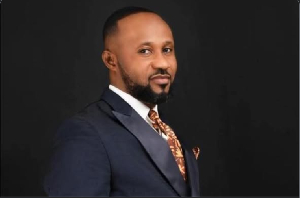
Youth activists have intensified the fight against female genital Mutilation (FGM) by adopting digital tools to document, report, and raise awareness about the harmful practice that continues to affect girls and women, especially in border communities.
Young people from FGM-practising districts have pledged to use digital advocacy to tell untold stories about FGM and promote change within their communities.
The commitment was made during a training for survivors and youth on FGM documentation, aimed at equipping them with skills in digital storytelling, online campaigning, and human rights reporting.
The training, held at Mbale Resort Hotel, was supported by the Novo Nordisk Foundation in partnership with the United Nations Population Fund (UNFPA) Uganda and Nanguru Teenage Centre.
Ms Mercy Yeko Chelangat, a lawyer and regional president for East and Southern Africa under the Global Youth Consortium against Harmful Practices, said empowering youth with digital skills has been instrumental in strengthening grassroots action against FGM.
“The young people have been instrumental at the grassroots level in ensuring that cases of FGM are reduced in their communities. They are the first responders whenever incidents occur,” Ms Chelangat said.
She narrated how, in December last year, a young woman who had been mutilated was rescued after a trained youth first responder rushed her to a health facility and reported the case to the police.
Ms Chelangat said digital empowerment has enhanced evidence gathering and advocacy.
“The young people have been trained on how to take photos as evidence, how to document using smartphones, and what constitutes credible evidence. This is vital in reporting FGM cases,” she added.
Ms Chelangat welcomed the East African Community Elimination of FGM Bill 2025, currently before the East African Legislative Assembly, saying it would harmonise laws and close cross-border loopholes.
“This Bill calls on all member states to work together to curb cross-border FGM and harmonise legal frameworks. It will play a crucial role in addressing the practice,” she said.
Mr Ronnie Limo, a member of the Global Youth Consortium against FGM from Kapchorwa, said the training has empowered them to tell untold stories of survivors and expose hidden practices.
Ms Esther Labu Chelengat, a youth representative on the Sexual and Reproductive Health and Rights (SRHR) Alliance Youth Advisory Committee under the Centre for Health, Human Rights and Development (CEHURD), said digital advocacy is a powerful tool in ending FGM.
“We should not wait for journalists — we can take photos and document cases ourselves,” she said. Ms Martha Mugabe from Reproductive Health Uganda said involving youth in the fight is vital since they are tomorrow’s leaders.
“Youth play a critical role in influencing their peers. We can encourage girls to believe they can marry, lead, and hold political office without undergoing FGM,” she said.
FGM survivor Rose Chebet, from Bukwo District, said documenting survivor stories is key to ending the vice.
“Our stories carry the truth of suffering and resilience. When people hear directly from us, they will understand that FGM must stop,” she said.
Trend
Uganda outlawed FGM under the Prohibition of Female Genital Mutilation Act, 2010, which prescribes heavy penalties for offenders. However, the practice remains prevalent in parts of Sebei and Karamoja, where deep-rooted cultural beliefs persist.
Africa News of Thursday, 13 November 2025
Source: monitor.co.ug
How Sebei youth are stepping up fight against FGM
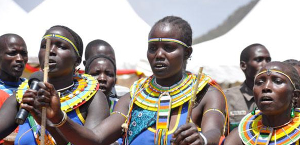 In Uganda, FGM is a cultural practice among ethnic groups such as the Sabiny in Kapchorwa, Bukwo