Drug abuse and violent gangs among students in Mbale City are putting schools at risk, turning classrooms into places of conflict instead of learning. The trend has raised concern among parents, teachers, and local leaders about the future of education in the area.
Students who spoke to Monitor described how marijuana, khat, and even harder substances such as cocaine are smuggled into schools by boda boda riders, local dealers, and sometimes classmates themselves.
“During break time, someone whispers to you if you want a stick; If you have Shs2,000, you can get it right there in the compound,” said a 17-year-old student. Daily Monitor has learnt that kiosks, rental houses, and video halls near school fences serve as distribution points.
The drugs have fuelled the rise of gangs that now dominate student life. Rival groups fight for influence and control of the trade, often with violence. On July 28, Shafik Wasike, a 19-year-old Senior Four student at Mbale High School, was stabbed to death with a screwdriver near Amber Store, about half a kilometre from his school. Wasike had gone to collect his bag from a friend when he was ambushed by a gang of students from different schools.
Police say the killing may have been linked to gang rivalry, a dispute over a girl, or even an attempted robbery. Elgon Regional Police spokesperson Rogers Taitika admitted that some students smuggle sharp objects and drugs into schools due to lax security checks.
“As gangs entrench themselves and students fall prey, the future of Uganda’s youth is at risk,” he said. Residents such as Ms Grace Namono fear schools are no longer safe spaces for learners.
“Unless the networks are dismantled, generations of learners will remain trapped in a dangerous web that could rob the country of its brightest minds,” she warned.
Educationist Emma Ariko said children as young as 14 now carry knives in their bags. Mbale is home to several notorious gangs—B13, City Majje, Life Takers, Street Hunters, 72 Evils, and Black Heart among them—composed largely of students. The Division Police Commander, Mr Kenneth Bakashaba, confirmed operations against drug hideouts but accused schools and parents of “dropping the ball” on supervision.
Experts argue that the crisis reflects deeper social and educational failures. Mr Ahamadah Wakhweya of the National Curriculum Development Centre said Uganda’s exam-focused system ignored values, leaving youth vulnerable to moral decay. The Bamasaaba Cultural Institution estimates that 98 percent of student gang members in Mbale actively use drugs.
“They take oaths, perform rituals, and use violence to dominate peers and communities,” said spokesperson Steven Masiga, adding that many come from broken homes. Doctors warn of lasting consequences.
“Some students start with marijuana but graduate to cocaine and injectable drugs,” said psychiatrist Dr Mercy Katusabe, noting that mental health disorders and HIV/Aids are growing risks. Local leaders are calling for urgent action.
Mbale High School Head Teacher Stephen Wambalo has urged students to avoid gangs and focus on education, while city commissioners have pledged tighter security. Mr Jimmy Nambiro, the education private secretary to the President, blamed high school fees for pushing some students onto the streets, where gangs recruit.
Issue
Drug abuse among school-going adolescents in Uganda has reached alarming levels, posing a serious threat to education and youth development.
A 2024 study in BMC Public Health reported that 39.4 percent of children had consumed alcohol, 4 percent had used marijuana, and 3.3 percent had used other illicit drugs within the past 30 days.
Africa News of Monday, 29 September 2025
Source: monitor.co.ug
Ugandan schools grapple with gangs, drugs
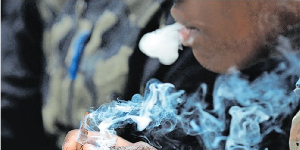 A man smokes marijuana during the informal cannabis holiday on April 20, 2017




Entertainment

Singer Chichi survives ghastly Car accident in US
Opinions