A street vendor shot in the head by police during protests two weeks ago has died, a day after being declared brain-dead in hospital, his family says.
"Boniface is no more. We have just viewed his body," family spokeswoman Emily Wanjira told the BBC.
Boniface Kariuki was shot as police cracked down on a protest in the capital, Nairobi, against the death in detention of blogger and teacher Albert Ojwang, 31.
Kariuki, a mask vendor, was shot at close range on 17 June and later admitted to Nairobi’s main public referral hospital for treatment.
He spent nearly two weeks on life support before doctors informed his family that although his heart was still beating, his brain had ceased to function.
Doctors carried out several operations, but some bullet fragments reportedly remained lodged in his brain.
News of his brain death sparked further public anger over alleged police brutality, with mounting demands for justice.
Many Kenyans have also urged the government to settle the hospital bills, after Mr Kariuki’s family appealed for public donations.
Two police officers have appeared in court in connection with the shooting, though they have not yet entered pleas. They remain in custody pending investigations.
On Sunday, Mr Kariuki’s family urged authorities to expedite investigations and ensure justice is served.
Kenya has witnessed a wave of protests in recent weeks, driven by widespread accusations of police brutality.
At least 19 people were killed last Wednesday, according to rights groups. Authorities, however, blame protesters, alleging they attacked police stations and officers.
On Monday, Director of Criminal Investigations Mohamed Amin stated that 485 people had been arrested for a range of alleged crimes, including murder, terrorism, rape, looting, destruction of property, and attacks on police officers.
“No one will hide behind peaceful protest to commit criminal acts,” Amin said. “We are analysing CCTV footage, mobile phone data, and digital communications to track those involved in the violence. More arrests will follow.”
He added that intelligence reports and arrest records revealed that some individuals had received specific instructions to attack public institutions and security installations.
The DCI chief also reported that at least 11 police officers sustained serious, and in some cases life-threatening, injuries during the protests.
Interior Minister Kipchumba Murkomen last week described the protests as “terrorism disguised as dissent” and controversially urged police to “shoot on sight” civilians who attacked police stations—drawing sharp criticism from lawyers and rights groups.
In a related development, a Kenyan High Court has ordered Police Inspector General Douglas Kanja to produce missing blogger Ndiangui Kinyagia within 24 hours or appear in court to explain his whereabouts. Kinyagia was reportedly detained by security officers last week and has not been seen since.
Africa News of Monday, 30 June 2025
Source: bbc.com
Kenyan vendor shot by police during protests dies after life support switched off
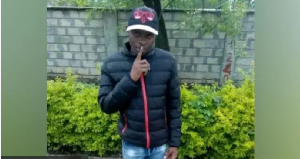 Boniface Kariuki's family has called for a speedy investigation into his death