Sitting in a dim room at a refugee camp in Ivory Coast, Yameogo Aminata, 57, is haunted by memories of the murder of her four sons by jihadists in her home-country, Burkina Faso.
In 2022, she was away from her home when the armed insurgents - who have been terrorising communities in central Burkina Faso for almost 15 years - struck.
The jihadists had forcefully taken over her village, seizing cattle and land, and killing many residents - including her sons aged between 25 and 32.
"They slit the throats of four of my children," she told the BBC, her body shaking as emotions overwhelmed her.
"When I arrived, they were killing my fourth son."
Aminata said she grabbed a knife to fight back, but was overpowered, beaten, thrown into the bush, and left with severe injuries to her head, shoulder and throat.
She said her daughter got separated from her during the attack, and she has been missing since then.
In 2023, Aminata fled to Nioronigué camp in neighbouring Ivory Coast, keeping the bloodied clothes from that day as a grim reminder.
"I don't know how to handle my life. I have nothing," she told the BBC.
At least 10,000 people have been killed in the insurgency in Burkina Faso, which also engulfs neighbouring Mali and Niger.
The United Nations has described the region as the "epicentre" of global jihadist violence.
Military juntas seized power in all three countries, promising to curb the insurgency.
They have moved away from their traditional allies in the West, and have turned to Russia for military aid.
Although Russian forces, under the banner of its Africa Corps, have been deployed in Burkina Faso, the insurgency has persisted, with the most powerful militant group being an al-Qaeda affiliate, Jama'at Nusrat al-Islam wal-Muslimin (JNIM).
Like Aminata, 60-year-old farmer Hassane Tall fled northern Burkina Faso in 2023 with his three wives and 19 children after enduring multiple attacks.
"We escaped clashes between jihadist groups and security forces," he said. "We thought we would die."
Now living in the Nioronigué camp, he said that leaving his ancestral land hurt him deeply, but he sees no future back home for his family.
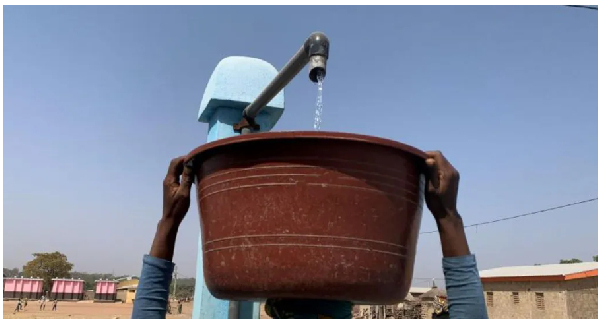
The 12-hectare Nioronigué camp sheltering Aminata and Tall is close to the Burkina Faso border. It was established in 2023 by the UN and Ivorian authorities.
Designed for about 6,000 people, this camp and the nearby Timala camp now hold around 13,000 refugees - far beyond their capacity.
UN data shows that more than three million people have been displaced by various conflicts in the Sahel region.
More than 80,000 people from Burkina Faso now live in camps in the Ivory Coast.
Expressing gratitude for being given shelter, Aminata said: "I thank the state of the Ivory Coast, and all the Ivorians."
"I left my house because we were chased out by jihadists. They said that they want the country," she added.
Some of the refugees are from Mali. They include a 27-year-old finance graduate. He and his brothers recently made a perilous journey in a wooden boat down the River Niger from Gao in northern Mali to the capital, Bamako, then took a bus to northern Ivory Coast for safety.
The graduate said they were forced to leave after their 24-year-old cousin was killed by suspected jihadists.
"He was a fisherman. He was coming from fishing at night as usual. He was attacked by two men riding motorbikes. These are things that happen every day.
"We were living in fear, not knowing if we'll wake up the next day," he told the BBC.
Ivory Coast's economy is one of the region's fastest growing, but unemployment and poverty remain high, with locals in border areas worried about the influx of refugees.
But government representative Djamatigui Touré told the BBC that refugees will not be turned away.
"Those who come are our brothers; we share the same history and culture," he said.
However, the UN Development Programme's resident representative, Blerta Cela, warned that resources are under severe strain.
"The number of refugees has increased tremendously. The majority of them are actually not in the camps. They are hosted by Ivorian families," she said.
For Aminata, starting again in a new country comes with the weight of memories from the life she left behind.
"I still cannot erase what happened to me," she said.
"We just pray to God that peace comes back to Burkina Faso."
Africa News of Wednesday, 11 February 2026
Source: bbc.com
This woman fought back when jihadists killed her sons
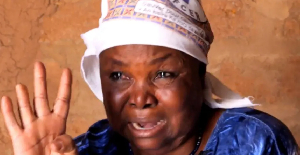 Yameogo Aminata, 57, is haunted by memories of the murder of her four sons by jihadists