The Economic Community of West African States (ECOWAS), in partnership with the Swiss Development Cooperation (SDC), has launched the second phase of the West Africa Livestock Marketing Support Programme (PACBAO) to strengthen intraregional trade in livestock and red meat across West Africa and the Sahel.
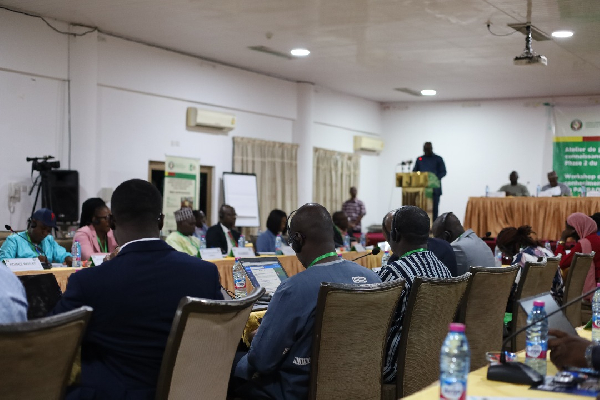
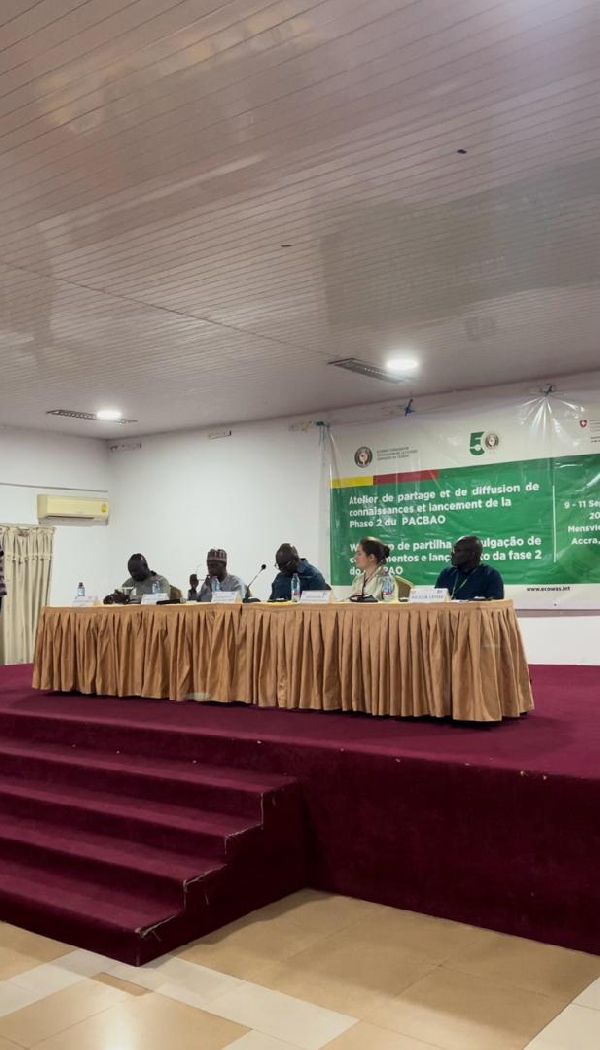
The launch took place on Tuesday, September 9, 2025, in Accra, drawing over sixty high-profile participants, including government representatives from ECOWAS Member States, Burkina Faso, Mali, Niger, Chad, Mauritania, regional organizations, producer federations, private sector actors and development partners.
The second phase of PACBAO, which will run from December 2024 to October 2028, seeks to boost regional trade flows in livestock and red meat by 30% and 15%, respectively.
Why Ghana is yet to file a response to Torkornoo's case at the ECOWAS Court
It also aims to modernize livestock trade corridors, strengthen stakeholder capacities and improve policies and infrastructure supporting the livestock value chain.
The programme builds on the successes of its first phase (2018–2023), which focused on intensifying quality beef production, modernizing livestock and meat trade and strengthening business links among value chain actors.
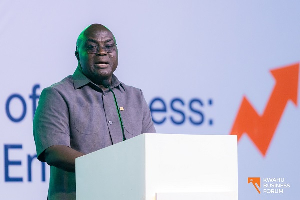
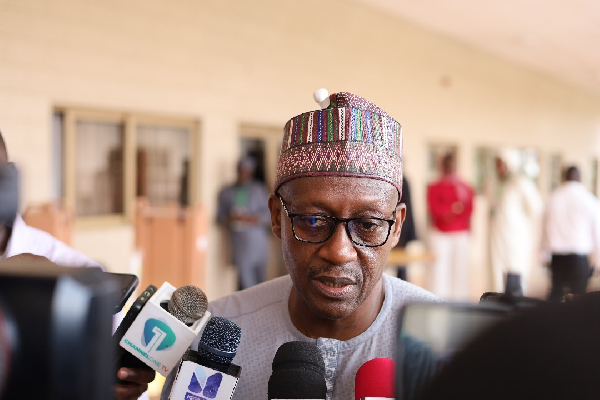
Ghana’s Minister of Food and Agriculture, Eric Opoku, reaffirmed the government’s commitment to the programme and highlighted the successes of PACBAO’s first phase in Ghana, including improvements in animal health, feed quality and the supply of quality slaughter animals.
“Our goal is to modernise production systems, improve post-harvest management and leverage public-private investments to unlock the sector’s full potential,” the minister stated.
“PACBAO is a strategic instrument not only for food and nutrition security but also for advancing regional trade integration, resilience and inclusive growth.”
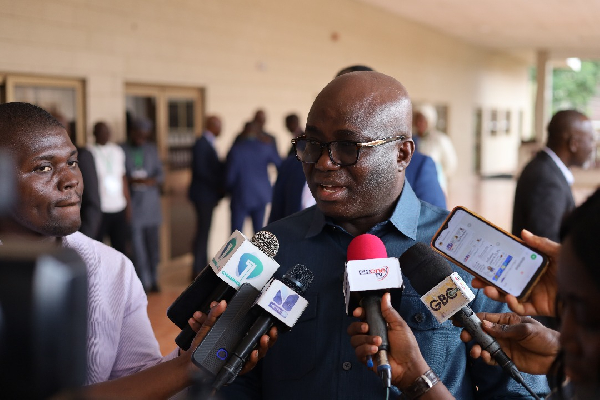
“The overall objective of the second phase of the programme is to help meet the red meat and meat product needs of the populations of West Africa and the Sahel through the development of intraregional trade in livestock and red meat and the control of extra-regional imports,” said Mohamed Zongo, Acting Executive Director of the ECOWAS Regional Agency for Agriculture and Food (RAAF).
ECOWAS at 50: A journey of triumphs and challenges in West African integration
The Swiss Development Cooperation is providing 53% of the programme’s budget, amounting to 8 million Swiss francs (approximately US$10 million).
Speaking on behalf of the Swiss Ambassador to Ghana, Janine Walz, Deputy Head of Mission and Head of Cooperation, emphasised Switzerland’s support for PACBAO as a “true partnership”:
“Livestock is more than an economic sector, it provides nutrition, resilience and income for millions of families.
“PACBAO is a true partnership uniting government, ECOWAS, the private sector, producers, and development partners. Switzerland is proud to support this collective effort, and we will stand by it until its objectives are achieved,” she stated.
Delivering the keynote address, Ambassador Mohammad Lawan Gana, ECOWAS Resident Representative in Ghana, highlighted the strategic importance of livestock farming in food security and economic integration.
He praised PACBAO as a “concrete manifestation of political will” to strengthen the livestock and meat sector, “Livestock farming contributes significantly to the GDP of Sahelian countries and is a major provider of jobs, particularly for young people and women.
“PACBAO’s second phase will consolidate, amplify and sustain the achievements of the first phase,” he said.
The livestock sub-sector is critical to West Africa’s agricultural economy but faces numerous challenges, including insecurity along trade corridors, high transportation costs, poor infrastructure and inadequate market management.
The second phase of PACBAO seeks to address these gaps while promoting youth and women’s participation in livestock value chains.
GhanaWeb's latest documentary, Sex for Fish, that explores the plights of teenage girls in coastal communities, all in an attempt to survive, is out. Watch it below:
Africa News of Wednesday, 10 September 2025
Source: ECOWAS
ECOWAS, Switzerland roll out second phase of livestock support in Accra
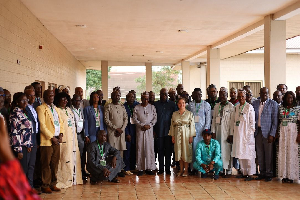 The second phase of PACBAO, will run from December 2024 to October 2028