The world's oldest head of state - 92-year-old Paul Biya - has promised Cameroon's electorate "the best is still to come" as he seeks his eighth consecutive presidential term on Sunday.
The nonagenarian has already been in power since 1982 - another seven-year mandate could see him rule for 50 years until he will be almost 100.
He defied widespread calls to step down and has been criticised for only showing up for one rally, spending most of the campaign period on a 10-day private trip to Europe.
A backlash over his reliance on an AI-generated campaign video, as his opponents actively wooed voters on the ground, saw him rush north on his return home.
In the vote-rich city of Maroua on Tuesday he addressed crowds of his party supporters - reaching out in particular to women and young people, promising to prioritise their plight in his next mandate.
"I will keep my word," he insisted, urging them to "give me your valuable support once again".
But political analyst Immanuel Wanah tells the BBC that Biya's primary focus since coming to power has been to stay in power, "often at the expense of efforts to enhance the living conditions of the country's citizens".
It is a view echoed by Dr Tilarius Atia, another political analyst, who puts this survivalist mindset down to an abortive coup against Biya in 1984.
It means that for the vast majority of the population, Biya is the only president they have known - more than 60% of Cameroon's 30 million people are below the age of 25.
Young political activist Marie Flore Mboussi is desperate for "new blood" as she believes "longevity in power inevitably leads to a kind of laziness".
"After 43 years, the people are tired," she tells the BBC.
The presidential election comes amid growing concerns about inflation, security challenges, poor social services, corruption and unemployment.
Youth unemployment has been a particular talking point for most of the candidates running in the election.
Nearly 40% of young Cameroonians between the ages of 15 and 35 are unemployed, with 23% of young graduates facing challenges in obtaining formal employment, according to the International Organization for Migration (IOM).
"Young people are more inclined to emigrate abroad because they tell themselves that inside the country, they do not have the possibility of becoming somebody," 26-old-year graduate Vanina Nzekui tells the BBC.
"They tell themselves that all positions are occupied by older people," she says, adding that this comes at the cost of using their skills to help develop the country.
But Aziseh Mbi, 23, believes age should not be a criterion for leadership.
In Biya's case, the civil society activist says, the president has been able to do "significant things," citing several youth initiatives.
Beyond youth unemployment, the electoral process has also stirred controversy, especially with the exclusion of Maurice Kamto from the presidential race.
In July the electoral body barred the 71-year-old opposition leader from running because a rival faction of the party that had endorsed him presented someone else as a candidate.
His exclusion, confirmed by the Constitutional Council, was widely criticised as a ploy to prevent any strong challenge to President Biya.
After coming second in the 2018 presidential election, Kamto claimed victory and organised street protests.
"The exclusion of Prof Kamto waters down the legitimacy of our democracy because we should have been fair enough to allow for everybody to partake," says Dr Atia.
Wanah agrees that the absence of the country's main opposition figure "reinforces the perception that truly fair elections cannot take place in Cameroon".
Twelve candidates were approved to contest for the country's top job, including Issa Tchiroma Bakary and Bello Bouba Maigari - both former Biya allies from the north of the country. They resigned from their ministerial positions in government to take on their boss.
Lawmaker Cabral Libii, chairman of the opposition Social Democratic Front (SDF) party Joshua Osih and Patricia Tomaïno Ndam Njoya - the lone female candidate - are also in the race.
At the launch of the election campaign, two aspirants, including renowned anti-corruption lawyer Akere Muna, withdrew their candidacies to support Maigari of the NUDP party. This means 10 people will now compete for the presidency.
Africa News of Saturday, 11 October 2025
Source: bbc.com
Can the world's oldest president keep his title and woo a nation of young voters?
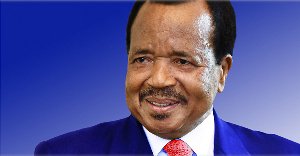 Paul Biya is a Cameroonian politician