A feature article by Hellah Portia
Ghana’s women’s football is receiving renewed attention, with new sponsorship deals, salary policies and financial incentives raising hopes for a better future for female footballers.
But beyond these announcements, questions remain about whether players are experiencing meaningful improvements in their careers.
For many female footballers, pursuing the sport requires more than talent and determination.
They must also navigate the costs of transportation, nutrition, medical care, and other expenses associated with training and competition.
While the Ghana Football Association (GFA) has introduced a minimum net monthly salary of GH¢700 for Women’s Premier League players, the impact of the policy will depend on how effectively it is implemented across the league.
The 2026/27 season provides an opportunity to assess whether players are receiving the financial support promised and whether clubs are better equipped to meet their welfare needs.
Beyond salaries, access to proper training facilities, medical support and reliable payment systems remains important to building a professional and sustainable women’s league.
Visa Scandal: Kofi Adams accuses Tribe Culture CEO of fuelling controversy
Recent sponsorship developments have also raised expectations. Gold Fields Ghana has become the headline sponsor of the Women’s Premier League, creating an opportunity to strengthen the competition and improve its commercial prospects.
However, sponsorship announcements alone cannot determine the future of the game. How the funds are allocated, the support provided to clubs and the benefits delivered to players will be important measures of success.
Meaningful progress should also include opportunities for young female footballers to develop their talents, access professional pathways and build careers without facing unnecessary financial difficulties.
The GFA, clubs, sponsors and player representatives all have a role to play in achieving these objectives. Their efforts will need to be reflected in measurable improvements in players’ working conditions and the long-term stability of the league.
As the new season gets underway, the focus should therefore extend beyond trophies, sponsorships and public recognition.
For Ghana’s female footballers, real progress will mean being able to train, compete and pursue their ambitions in an environment that supports their talent and protects their welfare.
Ultimately, the success of investment in women’s football should be measured not only by what is announced, but by the difference it makes to the players and clubs at the heart of the game.
PAH/EB
“The Problem Is Kurt Okraku, Not the Coach” – Ghanaians React to Carlos Queiroz's Sacking
Sports News of Friday, 23 October 2026
Source: www.ghanaweb.com
Can sponsorship alone transform Ghana women’s football?
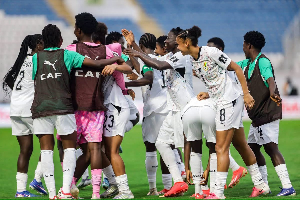 The women national team


Entertainment