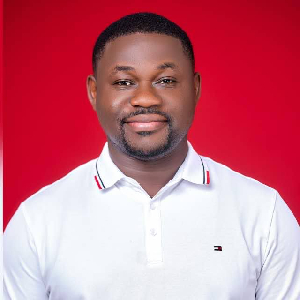
A former Ghana national cricket player, Samson Kwesi Awe Awiah, has been elected President of the Ghana Cricket Association (GCA), defeating incumbent Emmanuel Kwame Owusu-Ansah Asare in a closely contested three-horse race during the Association’s elective congress on October 24, 2026.
The election, held at the Cantonments Police Mosque Conference Room, came against a backdrop of controversy, stakeholder disagreements and legal uncertainty, making it one of the most contentious electoral exercises in recent Ghana cricket history.
The congress was initially scheduled to take place at the Accra Sports Stadium Media Centre but was relocated following a rescheduled notice by the National Sports Authority (NSA), amid an impending application for an injunction.
Prior to the election, disagreements over the delegate list had generated considerable tension among stakeholders. Concerns were raised about the composition of the list and the absence of contact details that would have enabled candidates to reach delegates during their campaigns. The situation eventually prompted Kalvin Mcquaye to file an application seeking an injunction against the electoral process.
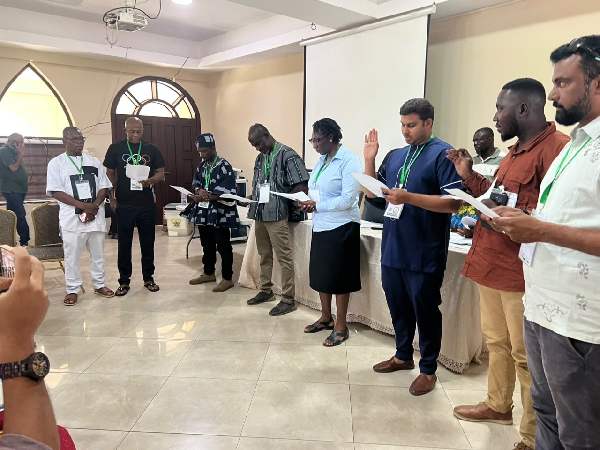
Despite the uncertainty surrounding the proceedings, the election went ahead, producing a change in leadership as Awiah secured 11 votes to emerge victorious. Incumbent Asare polled nine votes, while former Cricket Operations Officer, Eugene Khing, garnered five votes.
The outcome marked a significant development for Ghana cricket, with an ex-national player set to take charge of the sport's governing body after eight years under the outgoing administration.
In the other executive positions, Samuel Nana Ekow Biney Asamoah defeated incumbent Oscar Provencal to become Vice President, while Angela Cassandra Allotey retained her position as Treasurer.
Three candidates were also elected to the six-member Executive Committee. They are Nihal Abass, Shijo Devasia and former national player Simon Ateak.
However, uncertainty remains over the legal implications of the injunction application and whether the outcome of the election will stand without further legal challenge.
The status of the application is therefore expected to remain an important issue in the aftermath of the congress.
For the newly elected administration, the next four years will present a major responsibility and an opportunity to address the challenges confronting Ghana cricket.
With concerns over the sport's development, national team performances, domestic competitions and grassroots structures, the new leadership faces the task of rebuilding confidence, strengthening administration and restoring Ghana cricket's competitive standing.
The real test now lies in translating the change in leadership into meaningful progress and giving the sport a renewed sense of direction.
Sports News of Sunday, 1 November 2026
Source: Davis Nii Attuquaye Clottey, Contributor
Samson Awiah elected Ghana Cricket Association President
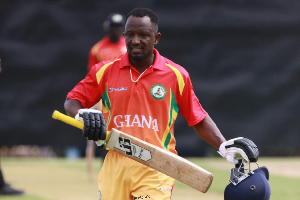 Samson Awiah has been elected as the president of the Ghana Cricket Association




Opinions