17.5% VAT on Match Tickets, Import Duties on Jerseys: Okraku highlights GFA’s challenges
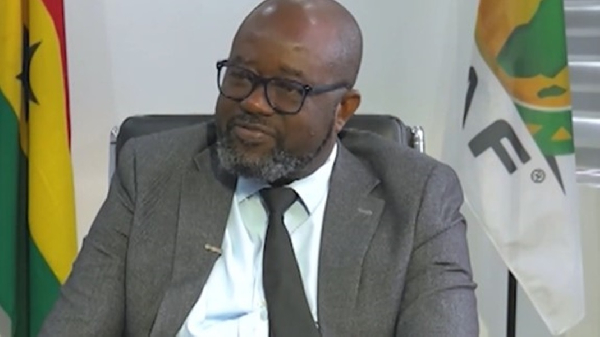
Ghana Football Association (GFA) President Kurt Okraku has highlighted the financial and logistical challenges confronting football administration in the country, questioning the tax obligations imposed on matchday activities and equipment imported for the national teams.
His concerns, raised during an engagement with Parliament’s Select Committee on Sports on November 4, 2026, have brought renewed attention to the financial pressures facing the country’s football governing body after calls from fans.
Okraku particularly questioned the 17.5 per cent Value Added Tax (VAT) charged on football match tickets, arguing that football clubs are subjected to less favourable tax arrangements than other entertainment providers.
“We are charged 17.5% VAT at the gate on every game we play. Yet other entertainment providers are charged less,” he told the committee.
He said the issue had been raised with government leadership on several occasions, insisting that the existing arrangement places an additional burden on football administration.
The GFA president also disclosed that clearing playing equipment supplied through the association’s technical partnership with sportswear manufacturer PUMA sometimes becomes a financial struggle.
According to him, the association is required to pay import duties on national team apparel, including playing strips, despite the equipment being intended for Ghana’s international football engagements.
He recalled an incident ahead of Ghana’s game against South Africa in Cape Coast when the association had to send officials to the port to clear just 30 pieces of playing equipment to ensure the Black Stars had their uniforms.
“Sometimes, the FA is handicapped. There are times I send people to go to the port and remove 30 pieces of strips so that the Black Stars can wear the uniform to play,” he explained.
Okraku questioned why national team equipment could not be exempted from import duties, considering its importance to the country’s sporting activities.
Beyond taxation, he argued that Ghana’s football development challenges extend to inadequate stadium facilities, poor playing surfaces, grassroots investment and insufficient support for coach education.
He maintained that sustained success would require collective responsibility, with government providing the necessary infrastructure and enabling environment for football to thrive.
“Our responsibility is to provide logistics, enabling environment which includes but not limited to good surfaces, stadium facilities, recruiting good technical staff. Good scouting, good facilities, that is good stadium facilities, all these we don’t have in our country,” he lamented.
FKA/AM
Source: www.ghanaweb.com« Previous |
Next »