9 Fuel Price Hikes in 7 Months: See how much Ghanaians are now paying
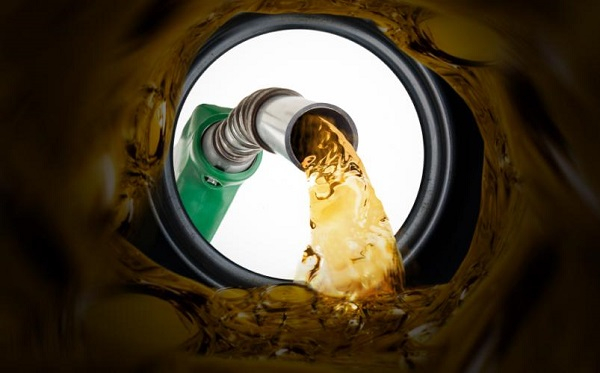
For many Ghanaian motorists, a visit to the fuel station now means paying significantly more than they did at the beginning of the year.
Petrol prices have increased several times in 2026, raising the cost of driving, running businesses and using public transport.
In early February, petrol was selling at about GH¢9.99 per litre. At the time, crude oil prices were around US$70 per barrel, while competition among fuel companies helped keep prices relatively low.
10 women leading major companies and institutions in Ghana
That did not last long.
The National Petroleum Authority (NPA) raised the petrol price floor from GH¢10.24 per litre at the beginning of March to GH¢10.46. Two weeks later, it increased again to GH¢11.57, while the diesel price floor jumped from GH¢11.42 to GH¢14.35.
By September 16, the petrol price floor had reached GH¢16 per litre, about 56% higher than the GH¢10.24 recorded at the beginning of March.
Over the 14 pricing periods between March 1 and September 16, the petrol price floor increased nine times and fell five times.
There were some periods of relief in April, May, June, July and August, but each decline was followed by another increase.
The government also intervened to ease some of the pressure, absorbing GH¢0.36 per litre of petrol and GH¢2 per litre of diesel from April 16.
The petrol support was later discontinued, while the diesel subsidy was restored.
Impact on transport fares
The increases have been felt directly at fuel stations. On September 16, the NPA set the minimum price for petrol at GH¢16 per litre and diesel at GH¢16.77.
Higher fuel costs have also affected public transport. From September 26, commercial transport fares increased by 8% following discussions between transport unions and the government.
The increase was attributed to higher fuel prices, spare parts and other vehicle operating costs.
However, the new fares have already triggered disagreements between some drivers and passengers.
Some passengers say certain drivers are charging more than the approved 8% increase, while drivers argue that rising operating costs make it difficult to continue charging the old fares.
This has led to disputes at some stations over how much passengers should pay.
Wider impact
The impact is not limited to drivers.
When transport fares rise, workers and students who depend on trotros and taxis have to spend more to get to work, school and other destinations.
Businesses that rely on the transportation of goods also face higher operating costs, which can eventually affect the prices consumers pay.
More increases possible
Fuel prices could rise again.
The Chamber of Petroleum Consumers (COPEC) is projecting that petrol could sell at GH¢17.78 per litre and diesel at GH¢22.42 from October 1.
Building Costs: Steel bars rise 24.2% while cement falls 7.1%
If the projections materialise, motorists and transport operators will face another increase just days after the latest 8% transport fare adjustment.
For consumers, rising fuel prices have a direct effect on the cost of transportation and doing business, with the impact being felt at fuel stations, in transport fares and across the wider economy.
DR/MA
Inside Ghana’s Abandoned Engineering Powerhouse: What Went Wrong?
Source: www.ghanaweb.com« Previous |
Next »