Black Stars Crisis: Bad coaches, underperforming players or a broken system?
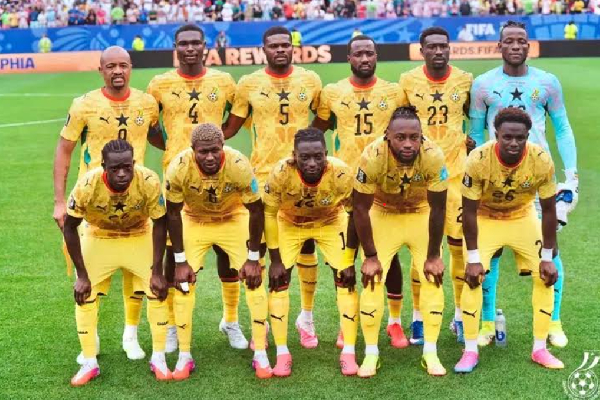
The temptation in Ghanaian football is always to find one person to blame.
When the Black Stars lose, the coach is questioned. When the coach is changed and the defeats continue, attention shifts to the players. And when players and coaches come and go without the results changing, the spotlight eventually turns to the system around them.
So, what exactly is wrong with the Black Stars: bad coaches, bad players, or a bad environment?
The latest evidence suggests the answer may be more complicated.
Carlos Queiroz has just left his position as Black Stars coach after only seven matches during his spell.
His departure followed Ghana’s 2-0 defeat to Côte d’Ivoire and the extraordinary 4-2 collapse against The Gambia, where the Black Stars surrendered a two-goal lead at home. Ghana now have no points from their opening two AFCON qualifiers.
Queiroz cannot escape responsibility. He admitted after the Gambia defeat that he and his technical team had to take responsibility for what happened.
But his parting message raises another question.
The Portuguese said the “necessary conditions were not fully established” during his time with Ghana, while also acknowledging that the team’s performances contributed to the decision to end his tenure. He did not publicly specify which conditions were lacking.
That statement deserves serious attention.
Because Ghana have now gone through another coaching change without solving the fundamental problem: what exactly is the football project?
Queiroz was appointed in April 2026, left after the World Cup, and was then retained in September after discussions involving the GFA and the Sports Ministry. Less than a month later, that arrangement has collapsed again.
That is not simply a coaching problem. It raises questions about planning, continuity and the environment in which coaches are expected to work.
Then there are the players.
There is enough individual quality in this squad to make it impossible to dismiss the performances as purely a lack of talent.
Mohammed Kudus, Antoine Semenyo, Ernest Nuamah, Fatawu Issahaku, Jordan Ayew and several others have demonstrated their ability at club and international level.
Yet international football is not won by names on paper.
Against The Gambia, Ghana were two goals ahead and still lost 4-2. That points directly to concentration, game management, defensive organisation and collective responsibility, areas for which players and coaches must share accountability.
But there is also the environment.
The latest international window was marked by squad changes following medical uncertainties, while Ghana’s planned friendly arrangements also became unsettled.
The GFA had initially announced Morocco as part of the programme before that fixture was cancelled.
When preparation, selection, coaching arrangements and fixtures repeatedly change, the players are operating in an environment that demands scrutiny.
Perhaps, then, the biggest mistake is asking whether it is bad coaches, bad players or a bad environment.
The more uncomfortable question is whether Ghana have created a system where even a good coach, talented players and competent administrators can consistently succeed.
Until that question is answered, another coach may simply become the next name on the cycle.
And the Black Stars will continue starting over.
FKA/AM
Source: www.ghanaweb.com« Previous |
Next »