General News of Thursday, 24 April 2025
Source: www.ghanaweb.com
Marijuana: RCG calls for abolition of prohibition, not just legalization

As the world marked the annual 4/20 celebration, Rastafarian Council, Ghana, used the occasion to call for a shift in the global conversation on marijuana reform—from legalization to the complete abolition of prohibition.
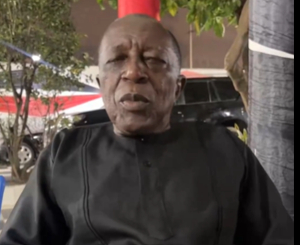
In a strongly worded memo issued by Administrator Kofi Asante Mireku, the group criticized what they described as superficial reforms across Africa and the Caribbean. Citing examples from South Africa, Jamaica, St. Kitts, Barbados, and Antigua, RCG said measures branded as "legalization" or "decriminalization" have failed to meaningfully address criminalization or protect users’ rights.
“In Ghana, depenalization and non-custodial sentencing have still brought punishment,” RCG stated. “The arrests and fines remain aligned with the framework of prohibition.”
The memo argues that legal categories—such as medicinal, industrial, recreational, and sacramental use—have fragmented the cannabis community and weakened the plant’s holistic cultural and social significance. The group further noted that industrial and medicinal cannabis were already permitted under certain conditions, rendering recent reforms symbolic rather than transformative.
“The focus on legalization has compromised the vision,” the statement read. “What we really want is to end the arrests: the abolition of cannabis prohibition.”
RCG emphasized that international drug treaties—often cited by governments as obstacles to reform—are in fact subject to national constitutions. This means that individual countries have the legal space to interpret and implement drug policies in line with their own laws and societal needs.
“Governments have been beholden to prohibitionist interpretations of treaties, but those treaties are not above national constitutions,” the statement said.
Rather than blaming lawmakers or the judiciary, the statement calls on the cannabis community itself to take a more proactive role in shaping policy. It insists that meaningful change can only come when those most affected by prohibition lead the drafting of marijuana laws.
“Only the ganja community can draft meaningful marijuana laws. Have we demanded what we really want?” the memo asked.
RCG concluded by reaffirming the central message of the day: abolition, not regulation, must be the ultimate goal of cannabis advocacy.
The call for abolition echoes a growing sentiment among global activists who argue that partial reforms and tightly controlled legal markets continue to criminalize vulnerable groups and restrict access, while benefiting commercial interests.